How a warming climate changes electricity planning
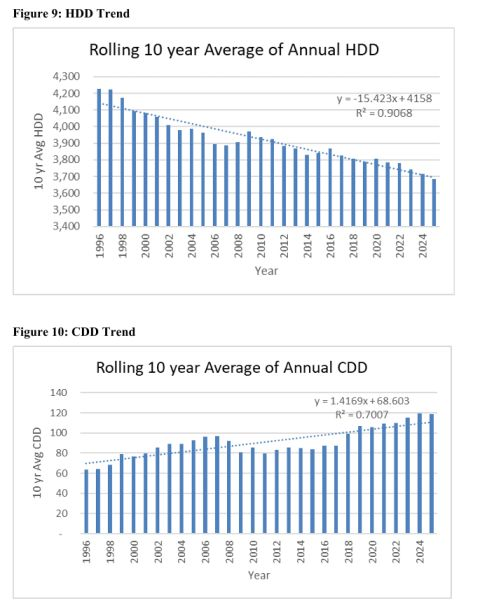
Heating and cooling degree-day trends show how a changing climate is entering utility load forecasts.
Read article : How a warming climate changes electricity planningPB Energy journal
News, analysis and perspectives on the projects, technologies and policies shaping our region.
Coverage of Nova Scotia, New Brunswick, Prince Edward Island, and Newfoundland and Labrador by David Brushett, P.Eng. Explore solar, battery storage, electrification, district energy and energy management. Archive articles retain their original publication dates.
Showing 25–36 of 136 articles
Heating and cooling degree-day trends show how a changing climate is entering utility load forecasts.
Read article : How a warming climate changes electricity planning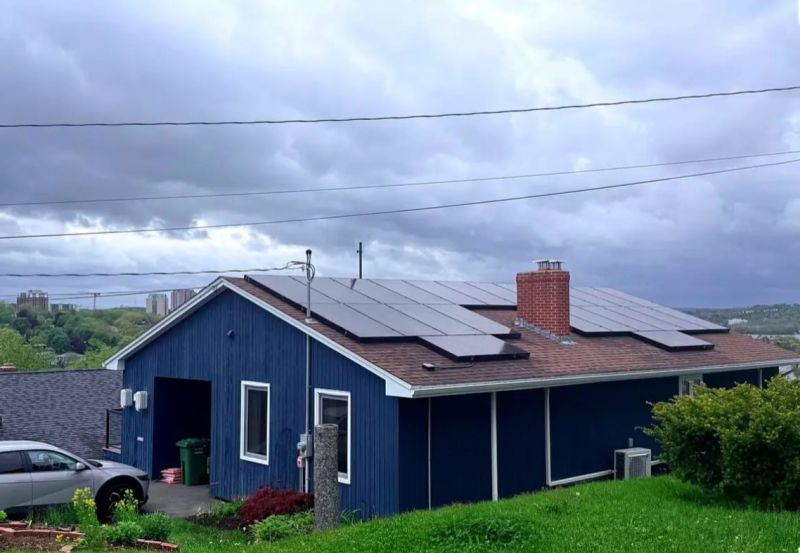
A reflection on the provincial framework supporting customers who generate their own renewable electricity.
Read article : Nova Scotia’s right to self-generate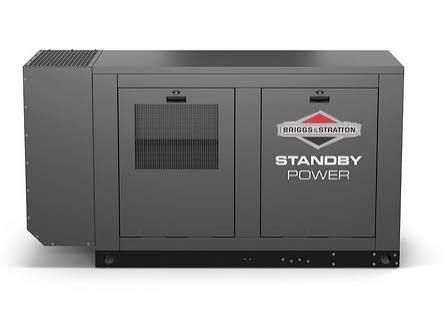
How suitably equipped standby generators could provide limited peak support while preserving emergency readiness.
Read article : Customer-sited backup generators: an existing capacity resource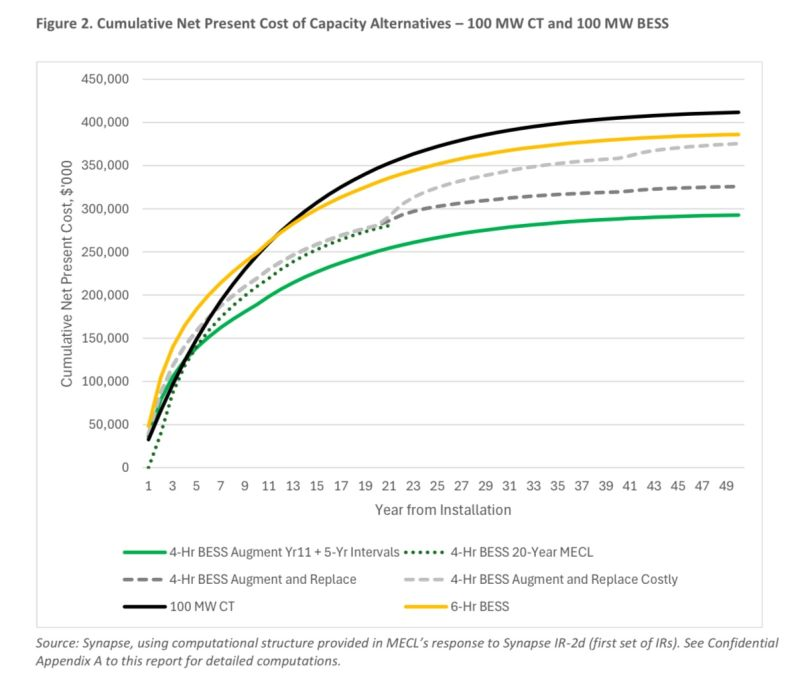
An independent review makes the case for comparing proposed gas capacity directly with a battery alternative.
Read article : Batteries versus gas: lessons from PEI’s capacity review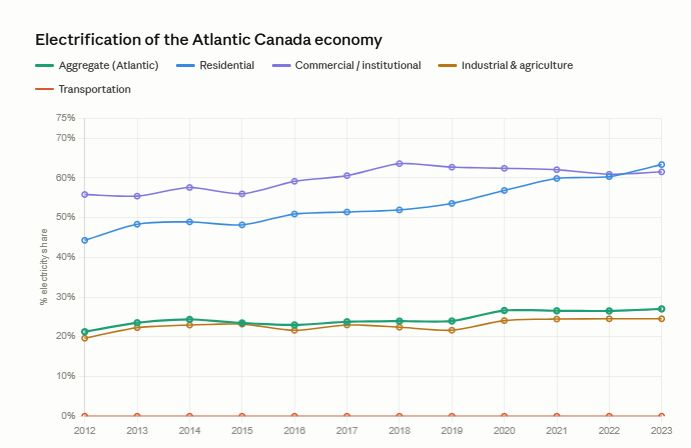
What the 2012–2023 sector comparison shows about the shift from fuels to electricity.
Read article : Atlantic Canada’s electrification progress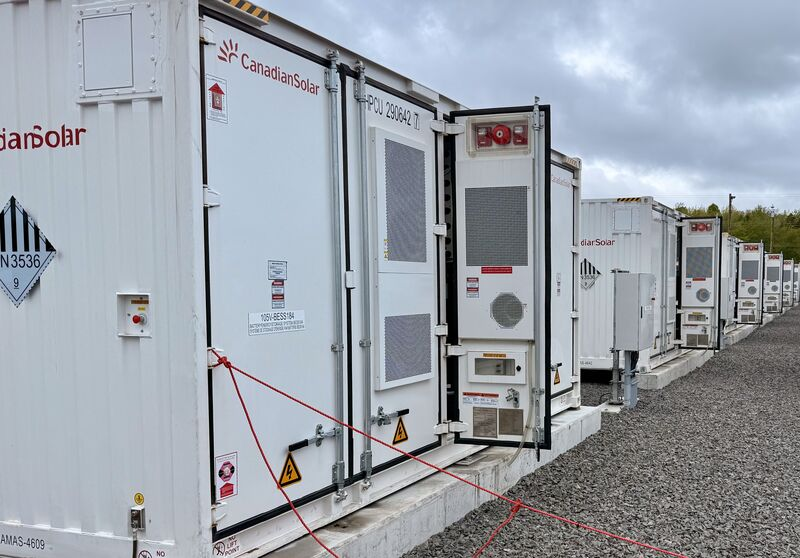
A site visit to a 50 MW project highlights the role of storage, financing and Mi’kmaw ownership in the energy transition.
Read article : Inside the White Rock Battery Project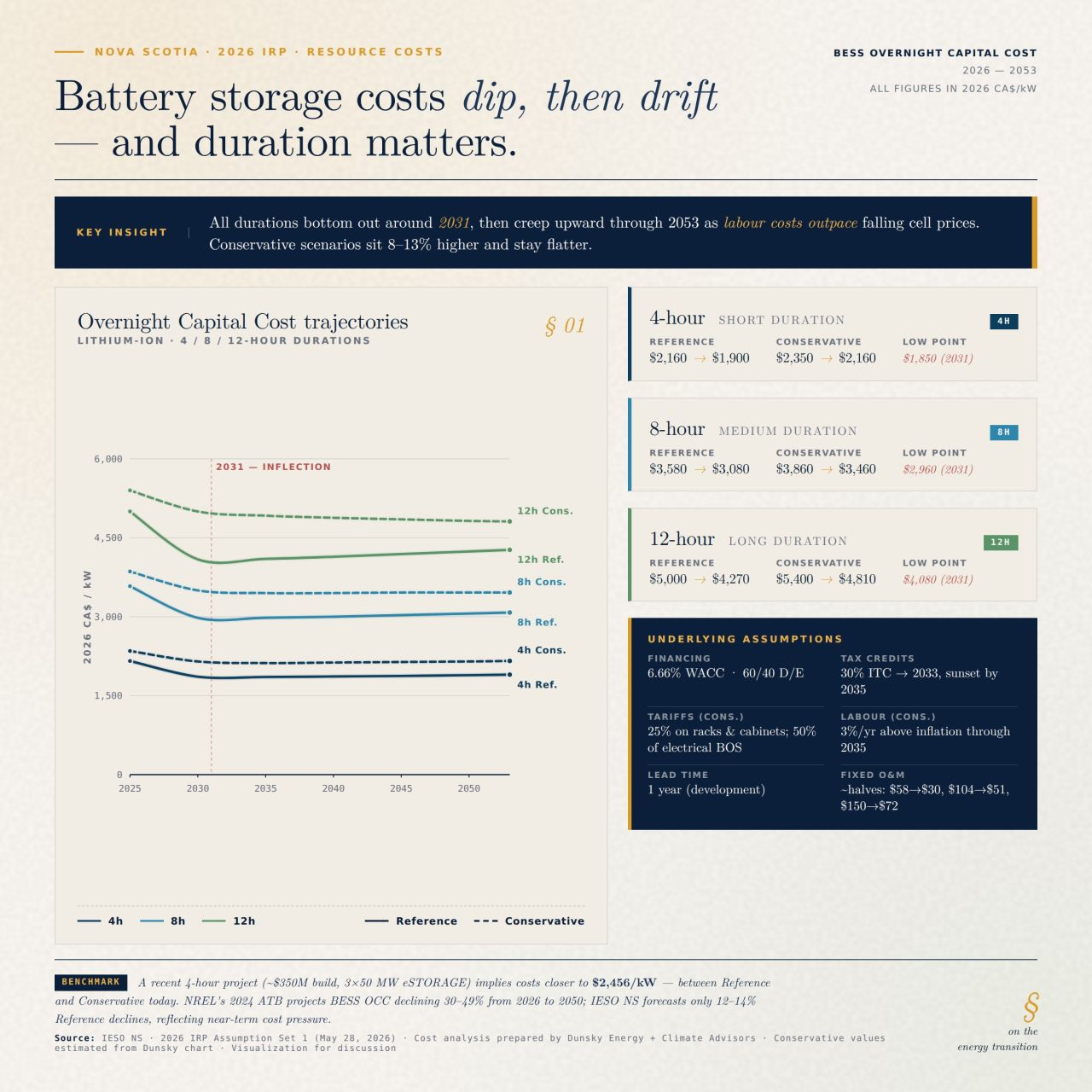
Long-term storage cost assumptions can influence procurement, renewable integration and the role of customer-owned resources.
Read article : How battery cost assumptions shape electricity planning
Principles for evaluating solar compensation, customer investment and the role of batteries.
Read article : Getting New Brunswick’s net-metering transition right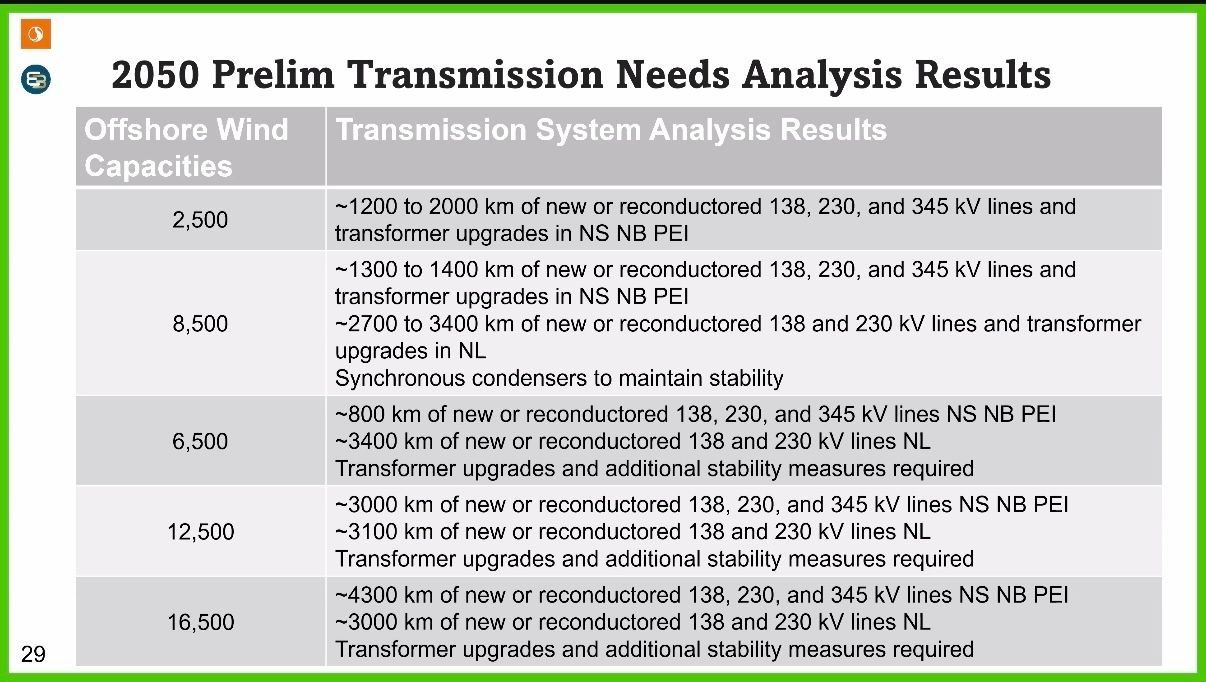
Preliminary offshore wind analysis highlights the scale of transmission upgrades and the complementary role of solar and storage.
Read article : What Wind West means for Atlantic Canada’s transmission system
A waterfront community building brings energy-conscious design together with boatbuilding and youth programming.
Read article : Solar and resilient design at Halifax’s new Boat School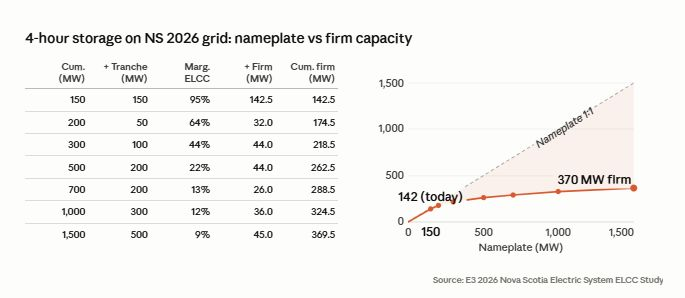
Declining marginal capacity value makes storage duration, customer benefits and multiple uses increasingly important.
Read article : Why the next batteries need to do more than the first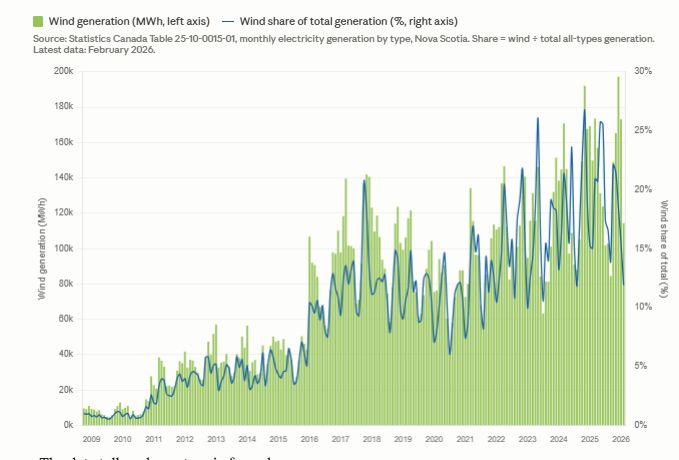
Seasonal wind generation patterns help explain the complementary role of solar in Nova Scotia’s electricity supply.
Read article : Why wind and solar complement each other in Nova ScotiaFeatured perspective
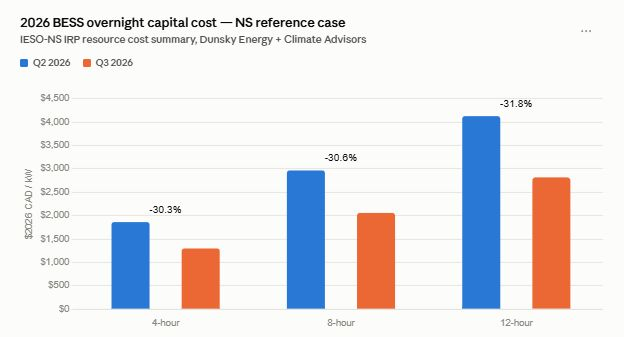
Lower storage cost assumptions and higher gas costs are reshaping the relative economics of Nova Scotia’s resource options.
Read article : Falling battery costs change the planning picture