Demand response
Customer-sited backup generators: an existing capacity resource
How suitably equipped standby generators could provide limited peak support while preserving emergency readiness.
Adapted for PB Energy’s Insights archive from David Brushett’s LinkedIn commentary. The date shown is the original post date.
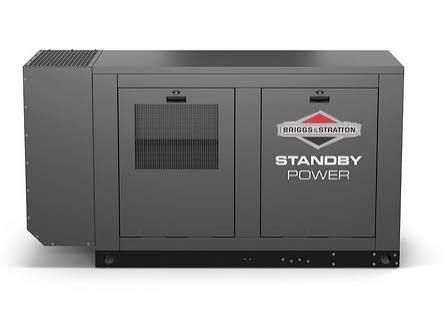
Hospitals, municipal buildings, businesses and other facilities already own backup generators. Where equipment and operating arrangements permit, some of this installed capacity could help reduce electricity demand during a small number of system peaks.
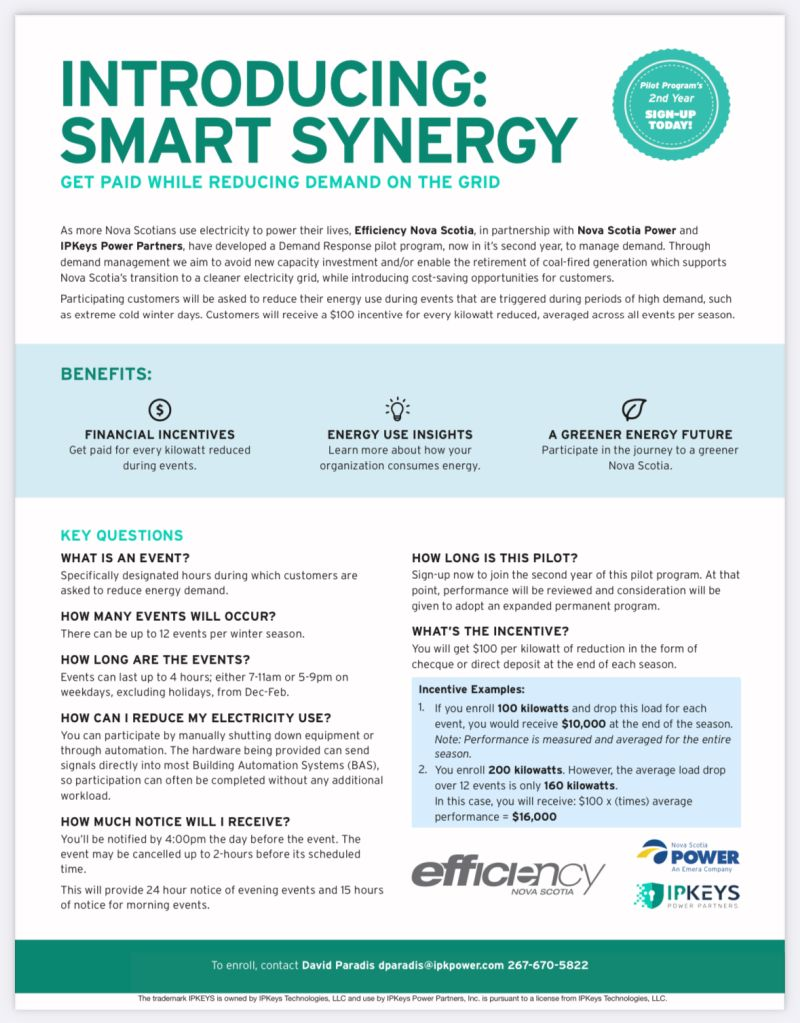
Under a demand-response arrangement, a participating facility could operate suitable generation to supply its own load, reducing the electricity it draws from the grid. The potential attraction is making additional use of existing equipment rather than building new capacity solely for infrequent events.
Participation requires careful design
Generator size, switching arrangements, controls, metering, fuel availability and permitted operating hours all matter. Emergency readiness must remain the priority. Air-quality requirements, maintenance implications and program rules also need to be addressed.
Compare emissions and costs honestly
Running a fossil-fuelled generator produces emissions. Whether it reduces or increases emissions relative to the alternative depends on generator efficiency, operating conditions and the electricity generation displaced. It should not automatically be described as carbon neutral.
The economic comparison also needs to include enabling equipment, fuel, maintenance and reliable availability during events. Installed nameplate capacity is not the same as dependable capacity that can be contracted for grid support.
This is an option for assessment alongside efficiency, batteries and other flexible resources. Considering demand-response readiness during new construction may be easier than adapting an existing emergency-power installation later.