Policy & regulation
The regulatory barrier holding back strategic electrification
What a cost-effectiveness test counts as valuable helps determine which energy solutions receive support.

Originally published on LinkedIn. This article reflects the information and perspective at the time of the original post. This is the introductory post; the longer article is linked from the original LinkedIn post below.
One of the most consequential energy issues in Nova Scotia right now, set for a decision later this year, is also one of the most obscure. It relates to a “cost-effectiveness test” designed for a different era, and it could carry profound implications for our future energy security, affordability, and continued decarbonization, as well as our success in implementing the ambitious new federal electricity strategy.
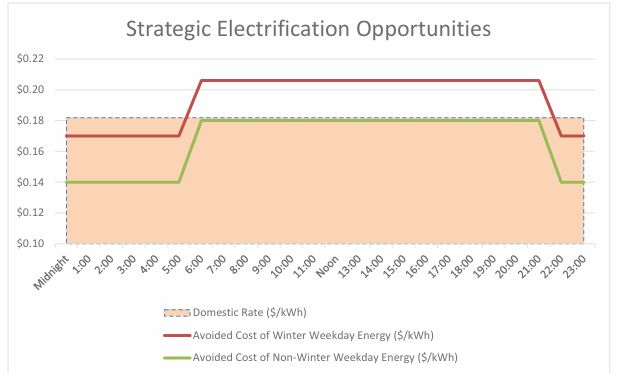
The cost-effectiveness test is the tool we use to quantify the value that different demand-side actions provide to the electricity system as a whole. It is what justifies incentive programs: a measure that passes is one we are willing to pay to encourage. That makes the test enormously powerful, because what it counts as “valuable” determines what gets supported, and what does not.
At its core, the question is this: is our demand-side framework ready for the full set of distributed energy resources now emerging at the grid edge: solar, batteries, EVs, heat pumps, smart water heaters, controls, and demand response? These resources can arrive one of two ways. Left unmanaged, they become new pressures on the system. Shaped well, they become tools that reduce costs, improve reliability, and accelerate decarbonization.
Nova Scotia has a major opportunity to use electrification to lower energy bills, especially given our reliance on heating oil, our winter peak demand, and the growing shift toward heat pumps, EVs, and local clean energy. The federal government is moving in the same direction, through the National Electricity Strategy, tax credits, financing tools, EV incentives, and the forthcoming one-million-home retrofit program.
But Nova Scotia’s current cost-effectiveness test does not capture much of the value these resources can provide. As a result, beneficial measures may be delayed or sidelined. That is not a problem with electrification. It is a regulatory design problem. And it is fixable.
This is the “regulatory knot” I have written about. It may sound technical, but it could have profound consequences for Nova Scotia’s energy future, the long-term sustainability of demand-side management in Nova Scotia, and our ability to successfully implement the federal strategy.