Policy & regulation
Nova Scotia’s right to self-generate
A reflection on the provincial framework supporting customers who generate their own renewable electricity.
Originally published on LinkedIn. This article reflects the information and perspective at the time of the original post.
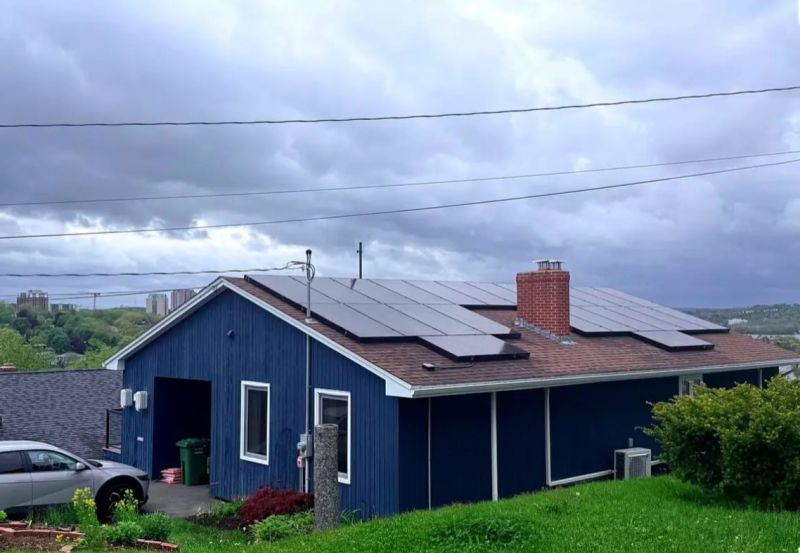
I had a wide-ranging interview yesterday with CBC about the proposed net-metering changes in New Brunswick by Énergie NB Power. One unique feature of Nova Scotia’s electricity framework, which many people may not be aware of, is the legally protected Right to Self-Generate, introduced through the 2022 electricity reforms with input from Solar Nova Scotia. Nova Scotians can install a renewable generator, including solar, up to 27 kW to offset their own electricity use.
For systems up to that size, customers don’t need a special contract with Nova Scotia Power to sell their generated electricity. And importantly, the utility cannot create fee structures or system access charges that discourage customers from developing, installing, and using their own renewable generation or energy storage.
That’s an important consumer protection. It means rooftop solar isn’t just a utility program. In Nova Scotia, the right to generate your own clean electricity is protected in law.
Solar provides important choice for Nova Scotians when it comes to electricity, and I’m grateful for the Right to Self-Generate.