Policy & regulation
Getting New Brunswick’s net-metering transition right
Principles for evaluating solar compensation, customer investment and the role of batteries.

Adapted for PB Energy’s Insights archive from David Brushett’s LinkedIn commentary. The date shown is the original post date.
Changes to net metering influence more than a customer’s next electricity bill. They affect confidence in long-lived investments, the development of local solar businesses and the future role of customer-owned storage.
This article adapts commentary written during New Brunswick’s 2026 net-metering debate. It sets out evaluation principles rather than reporting the outcome of a regulatory proceeding.
Establish the costs and benefits
Compensation for exported electricity should be assessed against evidence about its value and costs to the system. Relevant considerations include timing, avoided supply costs, infrastructure impacts and the design of the wider tariff.
Claims that solar customers either impose costs or deliver benefits should be tested, not assumed. Customer sophistication is not, by itself, a basis for deciding whether a demand charge is appropriate.
Consider the transition
Changes should account for existing investments, reasonable customer expectations and the effects on future adoption. Transparent analysis and meaningful participation help customers and the industry understand the rationale.
Include batteries in the discussion
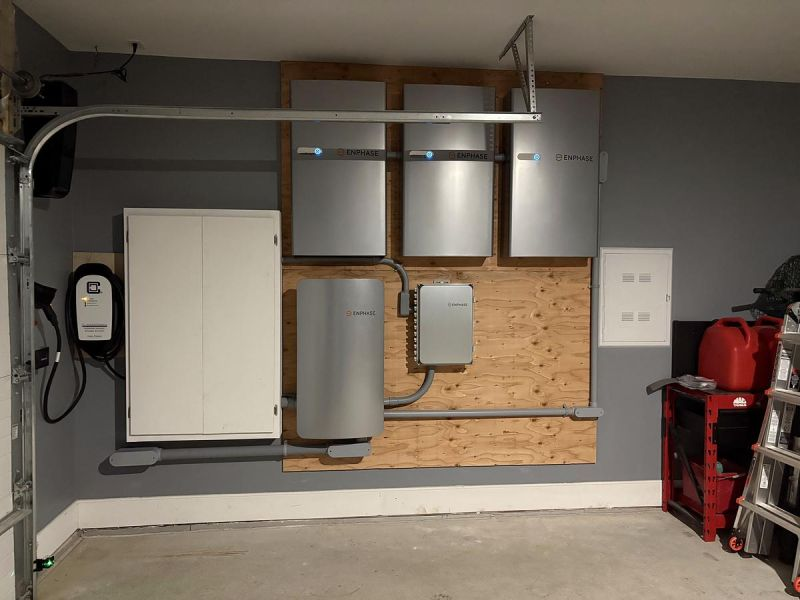
Storage can change when customers import and export electricity. A practical route for connecting and operating batteries could create options that are unavailable in a solar-only discussion.
The goal is a framework that balances affordability, system value and customer choice, while allowing new technologies to demonstrate what they can contribute.