Distributed energy
Connecting customer-owned batteries to the grid
Nova Scotia Power’s proposed DERMS is a step toward coordinating batteries, solar and flexible electricity demand.
Originally published on LinkedIn. This article reflects the information and perspective at the time of the original post.
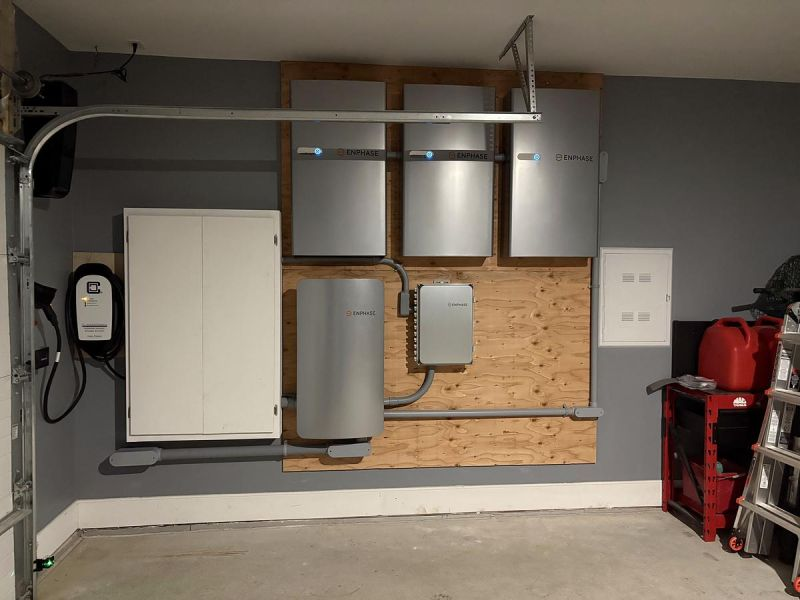
An important step to enable customer sited batteries and a more flexible electricity grid in Nova Scotia. On September 11, 2026, Nova Scotia Power submitted an application for a Distributed Energy Resource Management System (DERMS), with a planned in-service date of September 2027.
The proposed capital investment is approximately $4.67 million, with $1.7 million in federal funding from Natural Resources Canada reducing the net capital cost to approximately $2.97 million. The platform helps grid operators monitor and coordinate resources such as batteries, rooftop solar, EV charging and demand response, taking local grid conditions into account.
Over time, this could help accommodate more solar, reduce peak demand and enable customer-owned batteries to provide valuable grid services. This advances a key recommendation of the Distributed Energy Resource Integration Roadmap: implementing the systems needed to coordinate growing numbers of distributed energy resources. https://lnkd.in/gBMeid6j. (opens in a new tab)
The next step is connecting this capability with opportunities for customers and businesses to participate. That means clear timelines, accessible programs and fair compensation for the services they provide. Homes and businesses can play an active role in building a more reliable, affordable and renewable electricity system. This investment could help put that potential to work.