Energy management
Learning from the Woodside Ferry Terminal retrofit
A municipal building retrofit offers practical lessons in moving from plans to operating improvements.
Informational rewrite on the topic of David Brushett’s original LinkedIn post, using the available supporting material. The date shown is the original post date.
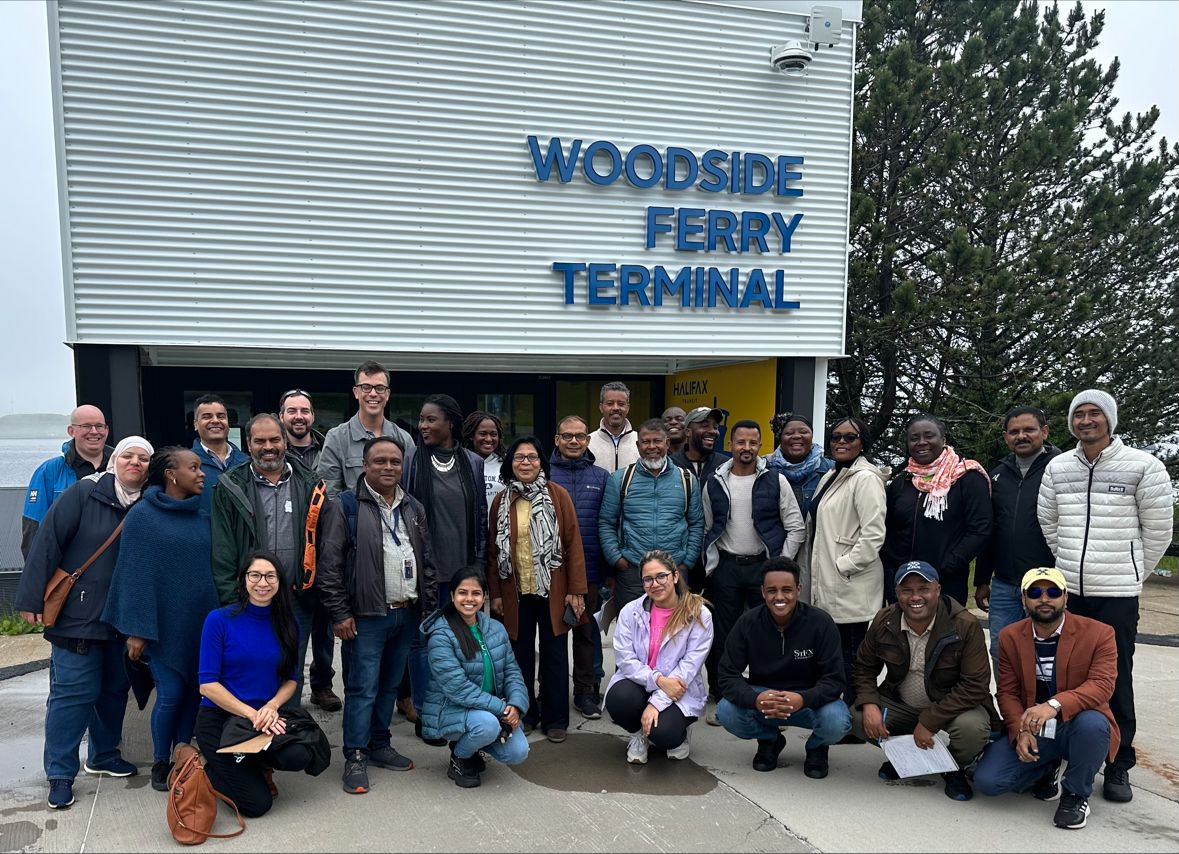
Woodside Ferry Terminal provides a useful setting for discussing deep energy retrofits in public buildings. HRM’s reporting identifies the terminal among its 2021 deep retrofit projects. The accompanying photograph records a visit to the facility.
Learn from buildings in operation
A site visit connects design decisions with the practical realities of operating a public facility. Equipment access, controls, maintenance and occupant needs all influence how a retrofit performs after construction.
For other building owners, the transferable lesson is to coordinate energy improvements with asset renewal. Establish a baseline, examine heating and electrical requirements together, and plan commissioning and performance monitoring before the work begins.
This historical example concerns Halifax Regional Municipality’s facility and retrofit program. It illustrates lessons for building owners rather than documenting a PB Energy project.
HRM’s report on climate action and municipal projects: https://cdn.halifax.ca/sites/default/files/documents/city-hall/regional-council/221122rc1532.pdf (opens in a new tab)