Energy management
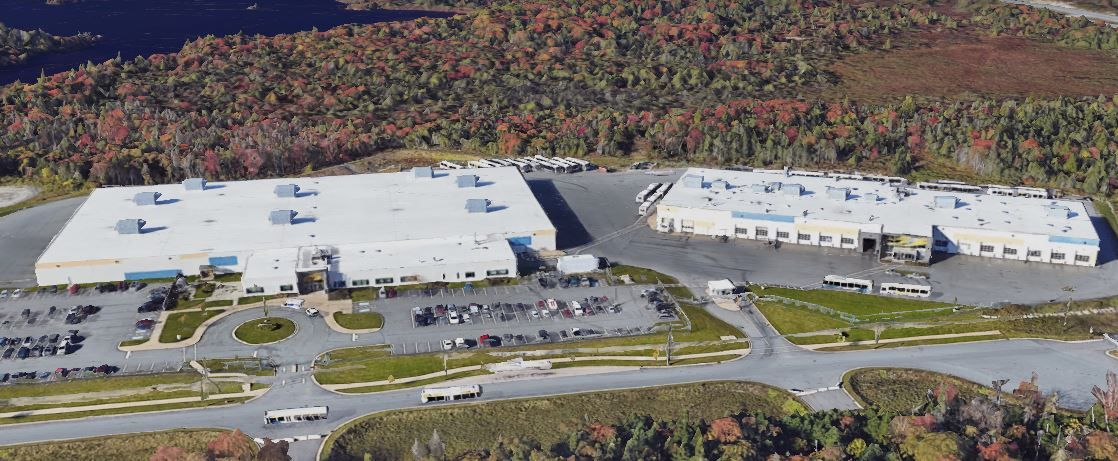
Ragged Lake bus depot: improving a round-the-clock facility
A historical HRM case study in demand-controlled ventilation, LED lighting and energy monitoring.
Adapted for PB Energy’s Insights archive from David Brushett’s LinkedIn commentary. The date shown is the original post date.
This historical case study describes Halifax Regional Municipality’s facility improvements reported in 2022. The project belongs to HRM and its delivery partners; it was not a PB Energy project.
Ragged Lake is a bus maintenance and storage facility operating around the clock. The original post reported almost $200,000 in annual savings following demand-controlled ventilation and interior and exterior LED lighting upgrades. Advanced metering and energy-monitoring software were also installed.
Match ventilation to operating needs
The facility had 16 large rooftop heat-recovery ventilators, many with substantial supply and exhaust fans. Before the retrofit, the units operated at constant speed around the clock, bringing in outdoor air that had to be heated during winter.
Demand-controlled ventilation can reduce fan energy and the energy needed to condition outside air when operating conditions allow. In a vehicle facility, controls must continue to satisfy ventilation and indoor-air-quality requirements.
Combine upgrades with measurement
Lighting and ventilation improvements address different loads, while metering helps facility staff understand performance and identify further opportunities. The lesson is to examine actual operating needs rather than assume every system must run at full output throughout a building’s opening hours.
The reported savings are a historical project result, not a current forecast or a guarantee for another facility.