Electrification
Why Nova Scotia and heat pumps are a strong match
Heating economics, local expertise and energy security support heat pump adoption, alongside the need to manage winter peaks.
Originally published on LinkedIn. This article reflects the information and perspective at the time of the original post.
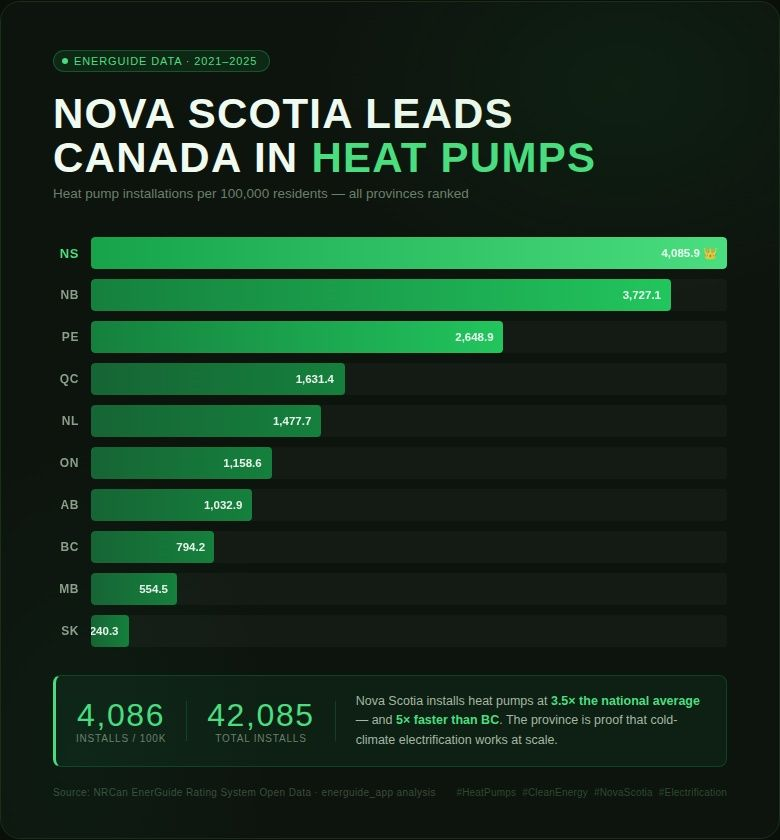
Nova Scotia and heat pumps are a perfect match. In its recent Load Forecast, Nova Scotia Power projects 22,250 heat pumps were installed in 2024 with an additional 225,000+ new installations to be installed by 2035, two-thirds replacing non-electric heating systems. To meet the goals of the NS Environmental Goals and Climate Change Reduction Act, nearly all space heating in Nova Scotia will need to come from heat pumps by 2050, with some backup fossil fuel systems where full electrification isn’t practical. Why
Heat Pumps Make So Much Sense in Nova Scotia Nova Scotia may be the best province in Canada for heat pump adoption economically and practically for several reasons:
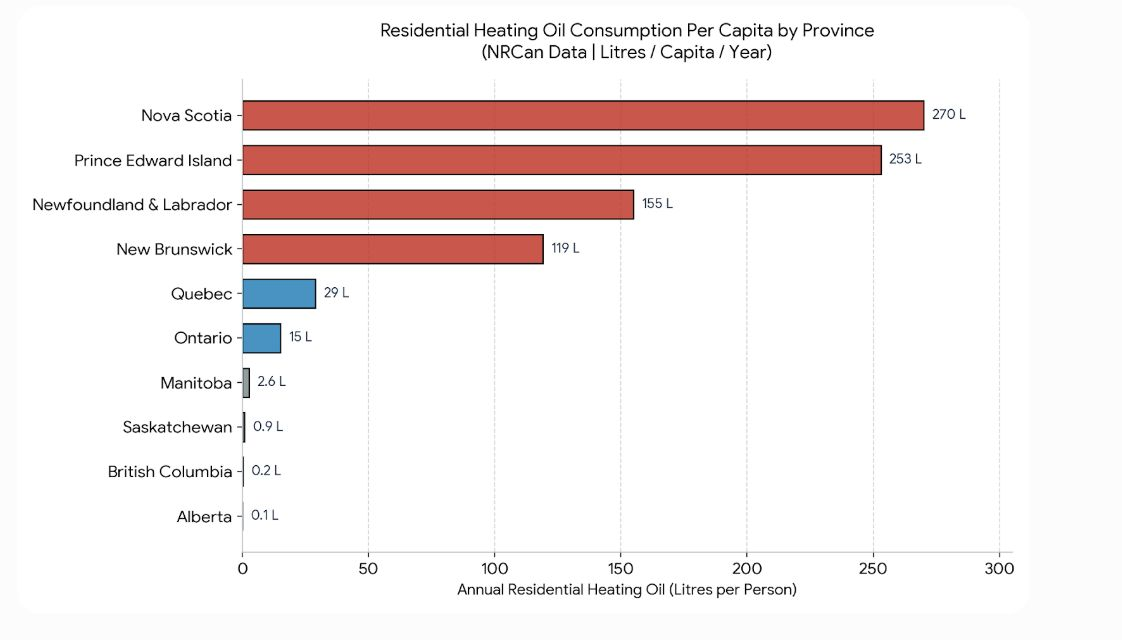
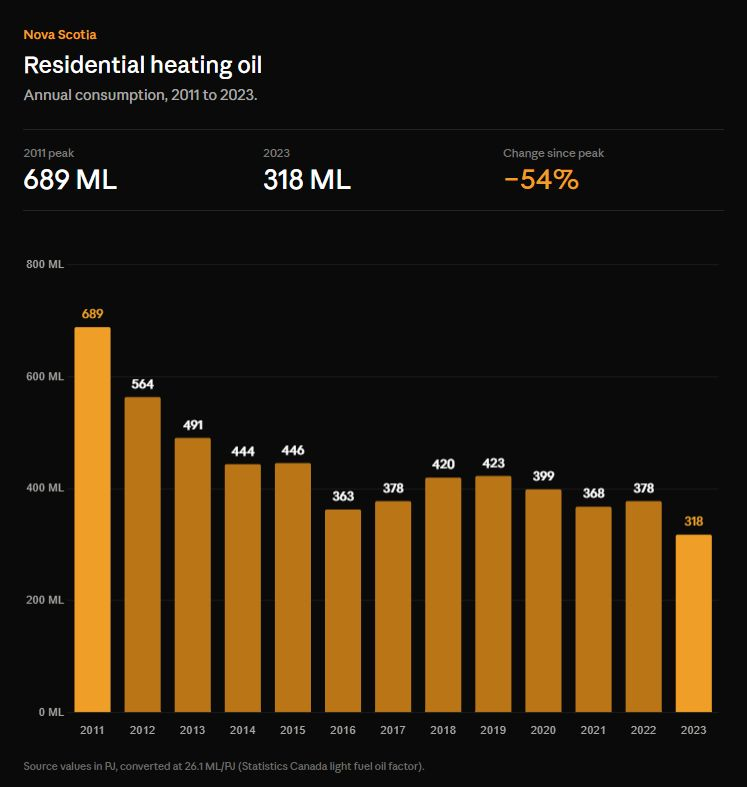
- Lower operating costs: Our high reliance on heating oil and relatively expensive natural gas (with limited access outside central HRM) means heat pumps deliver major savings for homes and businesses. This is not the case in Provinces with widespread access to very cheap natural gas.
- Energy independence: Most of our oil and gas is imported from the United States and overseas. Switching to locally generated electricity improves self-reliance, and resilience.
- Clean energy opportunity: As we develop offshore wind and other renewables, using that clean power locally for heating is a no-brainer.
- Skilled local workforce: Nova Scotia’s thriving energy efficiency industry is already well-equipped to scale up deployment, supporting good jobs and local economic growth. 5. Strategic Electrification, including heat pumps, was added as a DSM resource with changes to the Public Utility Act in Nova Scotia in 2022. This allows control and acceleration of the pace of uptake through utility incentive programs.
Key Considerations As we electrify heating, managing peak demand on the grid becomes critical. This can be achieved by:
- Deploying hybrid systems that can switch to non-electric backup when grid capacity is tight (especially for large commercial facilities).
- Prioritizing best-in-class cold-climate heat pumps that reduce peak draw.
According to the Load Forecast, a hybrid peak mitigation scenario could save over 100 MW of demand roughly equivalent to the winter peak load of a small town.
Nova Scotia’s clean energy transition is well underway and heat pumps are at the heart of it.