Energy management
The next evolution of demand-side management
Embedded energy managers help organizations capture deeper savings and integrate efficiency into everyday investment decisions.

Originally published on LinkedIn. This article reflects the information and perspective at the time of the original post.
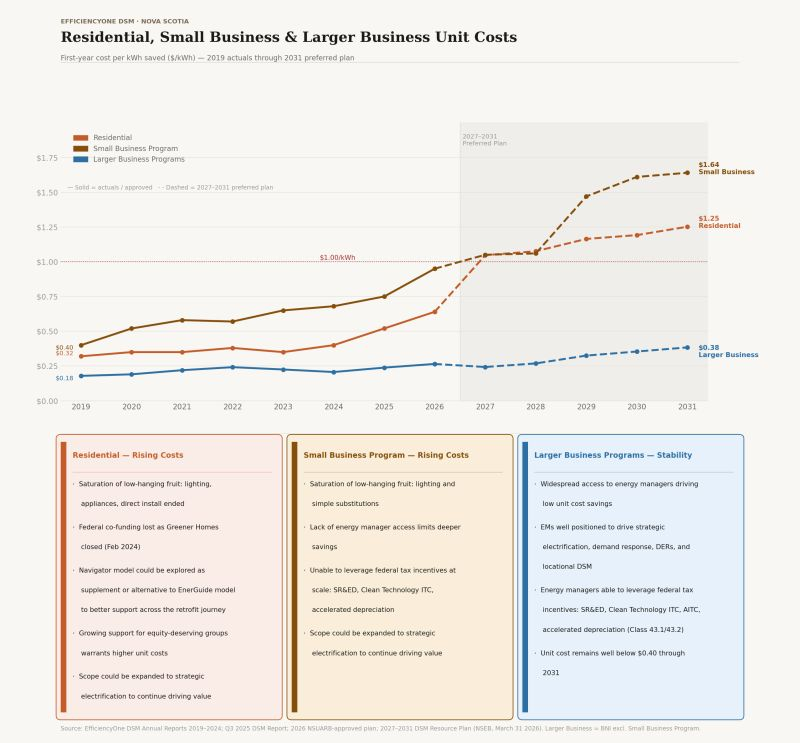
After nearly 20 years in the energy efficiency industry, I’m witnessing one of the most significant paradigm shifts in Demand-Side Management (DSM) to date. The era of abundant low-hanging fruit, such as LED lighting retrofits, is coming to an end. The easy, high-return measures that once delivered most program savings are becoming saturated. Today’s opportunities are more capital-intensive and concentrated, meaning traditional DSM rebates alone are no longer sufficient to drive widespread uptake.
The elasticity that once existed, where increasing incentives reliably boosted savings, is fading. As the low-hanging fruit disappears, the need to deliver deeper savings grows, yet those deeper measures are harder to make economical without the simple wins that once helped subsidize them.
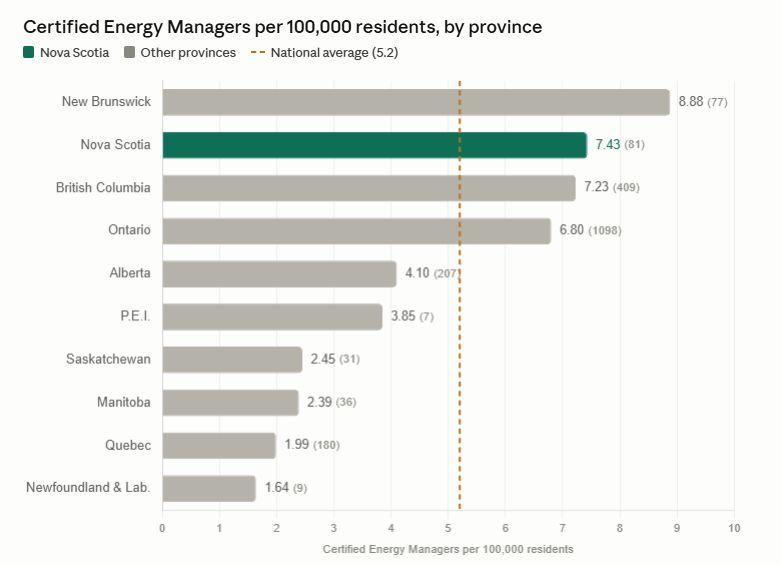
At first glance, this might seem like a challenge for DSM. But in Nova Scotia, our ability to deliver low-unit-cost savings is actually as strong as ever, thanks, in large part, to the rapid expansion of embedded Energy Managers.
Working from within organizations, Energy Managers can:
- Integrate efficiency into capital planning and asset management
- Leverage end-of-life equipment replacements to secure high-efficiency upgrades at minimal incremental cost
- Tap into external funding, such as federal tax credits and grants
- Overcome internal resource constraints by managing complex projects that might otherwise stall
- Build relationships that make efficiency a routine, strategic choice
- Drive cultural change by creating a shared vision for the organization’s role in the energy transition
This embedded approach allows DSM to continue achieving large volumes of cost-effective savings not by chasing easy wins, but by embedding efficiency into how organizations operate and invest.
In 2022, Nova Scotia’s Bill 228 expanded DSM’s scope to include strategic electrification, demand response, and distributed energy resources (DERs). This broader mandate enables DSM to coordinate distributed actions that deliver collective, system-wide benefits from reducing total consumption to mitigating demand peaks and avoiding costly grid upgrades.
This new scope will become increasingly important. The low-hanging fruit may be diminishing, but Nova Scotia’s ability to capture cost-effective DSM savings while delivering broader system value has never been stronger.