Energy management
How HRM reduced heating-oil use in municipal buildings
A historical look at municipal oil reduction and the difference between achieved savings and future targets.
Informational rewrite on the topic of David Brushett’s original LinkedIn post, using the available supporting material. The date shown is the original post date.
Halifax Regional Municipality’s building portfolio offers a historical example of reducing dependence on heating oil. This article describes HRM’s work and planning; it does not represent a project delivered by PB Energy.
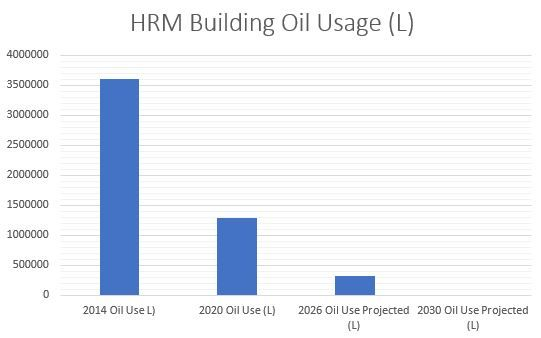
The supplied chart shows annual building oil use falling from approximately 3.6 million litres in 2014 to approximately 1.3 million litres in 2020. Its later bars depict projections for 2026 and 2030, not measured results for those years.
Several measures contributed
HRM’s oil reduction involved energy-efficiency improvements, heating-system conversions and changes to the building portfolio. Reducing oil consumption and eliminating fossil-fuel use are different outcomes: some historical conversions used natural gas, while heat pumps provide a route to electric heating.
Plan around equipment replacement
A portfolio approach can identify which boilers and other systems are approaching replacement, where oil use is highest and which buildings require broader improvements. That allows owners to evaluate alternatives before equipment failure forces a rushed decision.
Coordinating heating changes with envelope upgrades, ventilation and controls can improve the overall project. Progress should then be tracked using actual fuel and electricity consumption, with weather and service changes considered.
The enduring lesson is the value of sustained capital planning. Targets provide direction, but measured results are what demonstrate progress.