Energy management
From energy audits to ongoing home energy advice
Could energy advisors support households over time as their decisions expand to solar, batteries, EVs and flexible demand?

Originally published on LinkedIn. This article reflects the information and perspective at the time of the original post.
It is an increasingly confusing time for homeowners in NS when it comes to energy decisions. When I began working in energy efficiency nearly 18 years ago, the focus was relatively clear:
- Improve lighting efficiency
- Improve the envelope through insulation/air sealing while ensuring proper ventilation
- Then improve heating system efficiency These measures were supported by federal incentives, often supplemented by provincial or ratepayer funding.
Today the landscape is far more complex. Some traditional measures like LEDs are nearing saturation, while homeowners now face a growing set of decisions:
- Understanding AMI energy data and evaluating time-varying pricing (TVP)
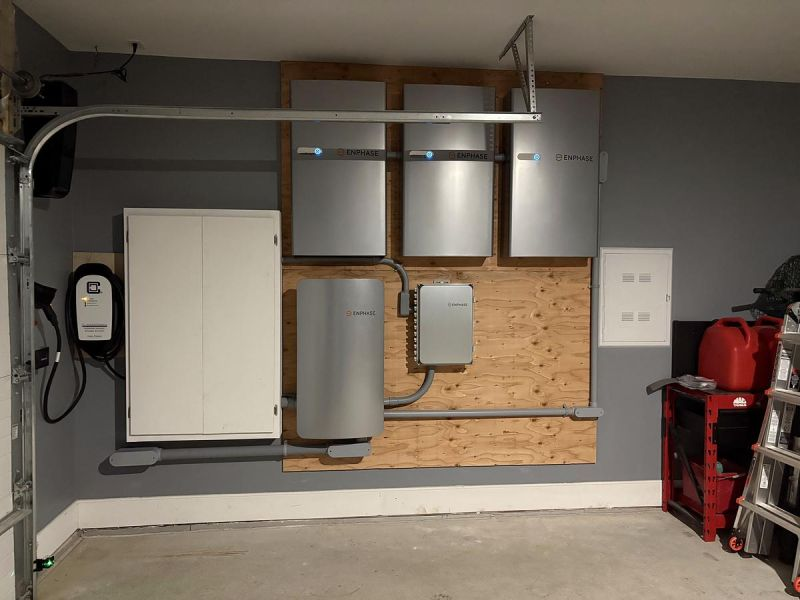
- Solar and battery storage
- EVs + charging
- Envelope, Heating and Electrification
- Demand response
- Diverse Financing Options like PACE
The cancellation of the federal CGH grant and loan programs, where an EnerGuide audit was required, creates an opportunity to rethink how homeowners are optimally supported. EnerGuide evaluations provide valuable whole-home insight but can also be a barrier when homeowners already know the measure they want to pursue, such as installing a heat pump.
Going forward, the main funding sources (excluding low-income programs) will likely be federal EV programs, ratepayer-funded DSM programs, and limited provincial funding. At the same time, audits are taking a larger share of program budgets.
Technology is also evolving quickly. Smart-meter data, remote diagnostics, and AI analytics may reduce the need for in-person visits in some cases.
What if the role of the EA evolves? Rather than focusing on one-time audits, the role could shift toward a longer-term Energy Navigator model, already explored by some forwarding-thinking municipalities like Halifax Regional Municipality.
In this model, organizations that currently deliver audits could evolve into energy management organizations, helping residents manage energy decisions over time, including:
- Interpreting smart-meter data and rate options
- Planning retrofit pathways and electrification
- Supporting solar, battery, EV, and demand response decisions
- Procurement support
- Explore financing options
This shifts the relationship from a single transactional audit to ongoing energy management support.
Because much of this could occur remotely, each advisor could support far more households than the traditional audit model where a typical EA can conduct about 8 audits per week.
It is important to maintain EnerGuide and service organization capacity, since audits are often required for federal programs that periodically emerge. In-home audits could be an optional premium service.
NS already has a valuable and skilled EA network. The opportunity now is to upskill and evolve that network so it can support homeowners in a more integrated, long-term way.