Electrification
The investment opportunity in Nova Scotia’s energy transition
A dated planning snapshot explores the scale of potential investment in heat pumps, solar, electric vehicles and batteries.
Originally published on LinkedIn. This article reflects the information and perspective at the time of the original post.
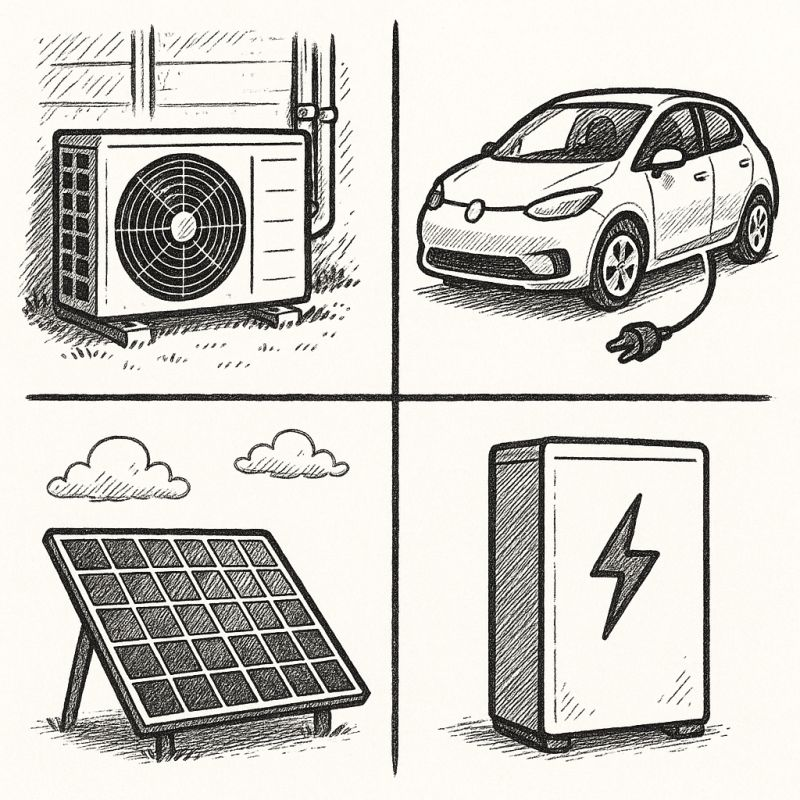
Based on Nova Scotia Power's most recent 10-Year load forecast, there are four major energy technologies poised to attract substantial investment in Nova Scotia over the next decade:
Heat Pumps Nova Scotia Power’s latest load forecast anticipates 225,606 new residential heat pumps by 2035. At an average system size of 2.5 tons and $3,500 per ton, this represents ~$2 billion in residential investment alone. Including the commercial sector would push this significantly higher.
Solar PV The same forecast projects 930 MW of net-metered solar by 2035. When combined with anticipated Community Solar projects and other behind-the-meter installations, Nova Scotia could approach 1 GW of total solar capacity. At $2–$3 per watt, that scale of installed capacity represents $2–$3 billion at the assumed unit costs; it is not an estimate of entirely new investment.
Electric Vehicles Nova Scotia is expected to add 159,663 electric vehicles by 2035. At an average vehicle cost of $35,000, this represents approximately $5.5 billion in EV investment.
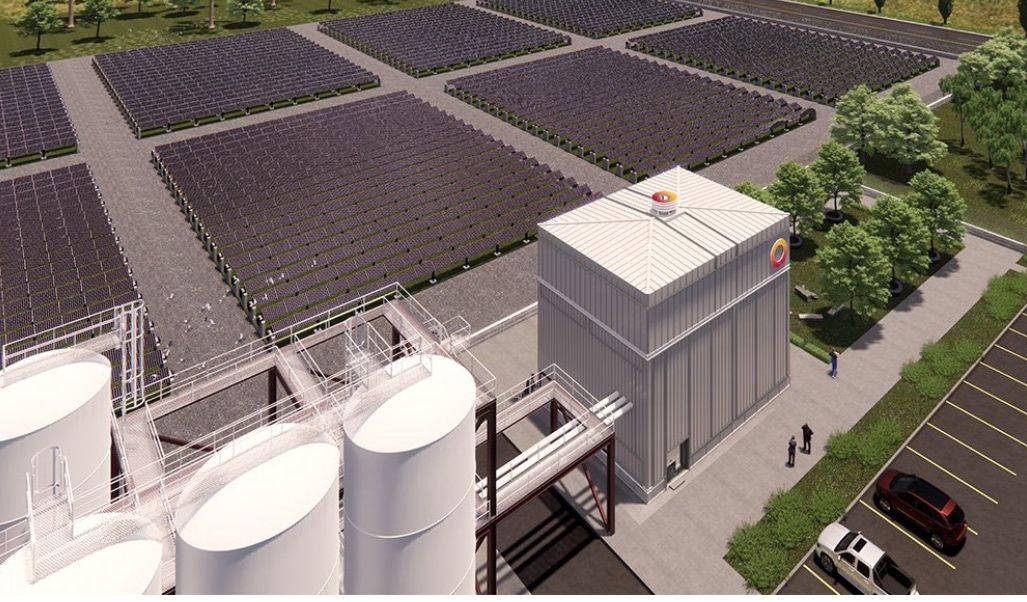
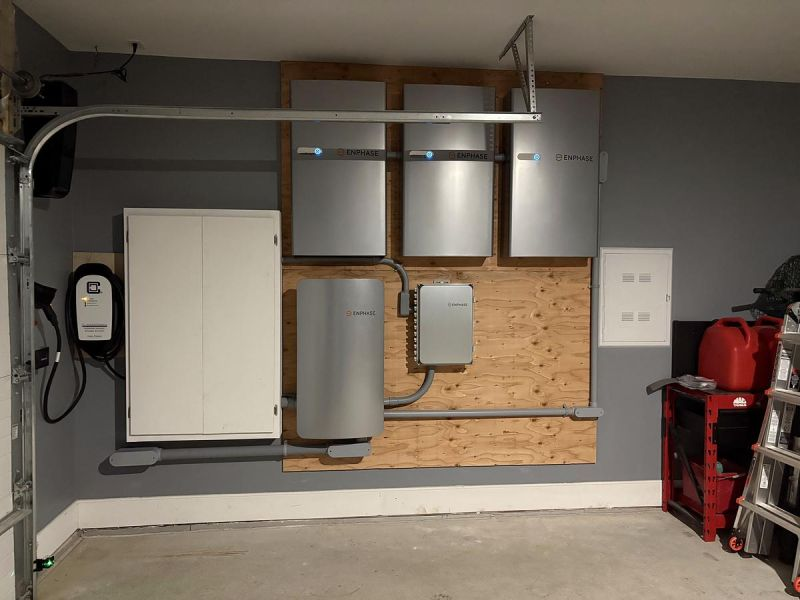
Stationary Batteries Nova Scotia’s Clean Power Plan calls for 400 MW of grid-scale battery storage by 2030. Nova Scotia Power’s first 150 MW installation is budgeted at $350 million. At similar costs, the full 400 MW buildout would total roughly $900 million, pushing Nova Scotia past the $1-billion mark in the early 2030s.
These are illustrative estimates based on the forecast and unit-cost assumptions available when this post was written, rather than committed projects or current price quotations. The battery estimate applies a historical project cost to a wider buildout; future costs may differ.