Battery storage
Heat batteries and the opportunity for industrial electrification
Rondo’s thermal storage concept illustrates a different way to match electricity supply with industrial heat demand.
Informational rewrite on the topic of David Brushett’s original LinkedIn post, using the available supporting material. The date shown is the original post date. Supporting information reviewed September 2026.
Industrial heat can be difficult to decarbonize when processes require reliable high-temperature output. Thermal storage offers a way to separate the timing of electricity consumption from the timing of heat delivery.
Store heat directly
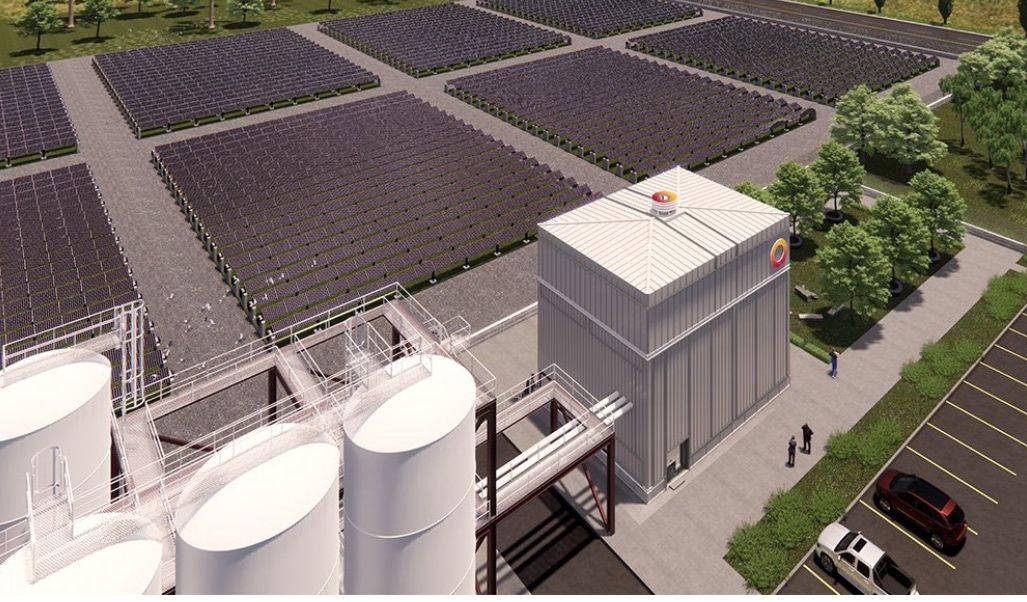
Rondo describes a system that uses electric resistance heating to charge a brick-based thermal store. The stored energy can then supply hot air or steam for industrial use. This is heat storage rather than an electrochemical battery supplying electricity.
Match the technology to the process
A project assessment needs to consider required temperatures, operating hours, electrical capacity, electricity pricing and integration with existing equipment. Storage capacity and charging power must fit the actual production schedule.
Emissions benefits depend on the electricity used and the fuel displaced. Thermal storage can support electrification, but its economics and carbon performance are site-specific rather than guaranteed by the technology alone.
Rondo’s technology description: https://www.rondo.com/how-it-works (opens in a new tab)