Energy management
A bigger role for energy performance contracts
Public buildings offer an opportunity to modernize infrastructure, cut fuel use and put guaranteed energy savings to work.

Originally published on LinkedIn. This article reflects the information and perspective at the time of the original post.
One way to unlock hundreds of millions in private investment for Nova Scotia’s energy transition is to open provincially owned buildings to large-scale Energy Performance Contracts (EPCs). An Energy Performance Contract (EPC) is a performance guarantee that enables energy efficiency and building upgrades to be paid for with the energy savings they generate. The Province owns thousands of buildings.
It is the largest energy user in Nova Scotia and by far the largest consumer of heating oil.
The benefits are compelling:
- Modernized public infrastructure
- Projects that pay for themselves through guaranteed energy savings
- Reduced dependence on imported heating oil in favor of locally produced clean electricity
- Strategic electrification that increases electricity sales and helps spread fixed grid costs
- Lower long-term operating costs for taxpayers
- Meaningful emissions reductions aligned with provincial targets
- Jobs What’s required is a clear directive from the highest levels of government to open the portfolio and move at scale.
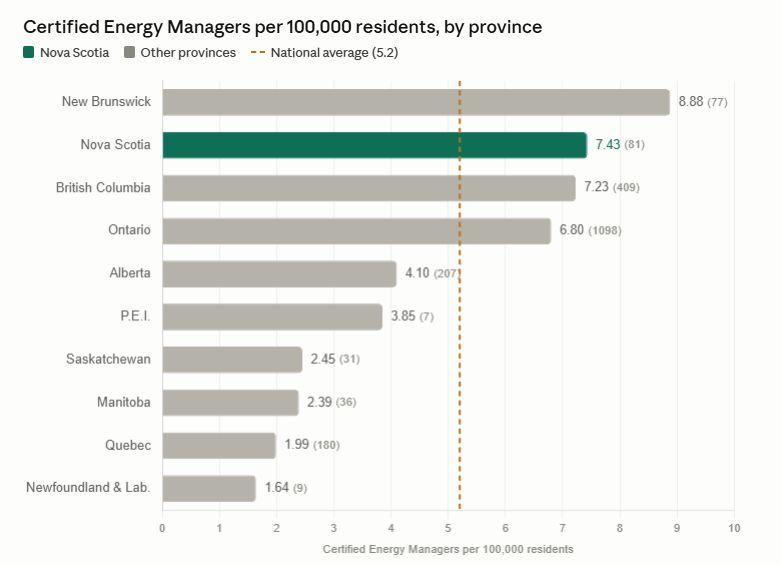
There are energy managers embedded throughout the Province who could facilitate. Start with facilities that are already due for capital upgrades, particularly those with end-of-life oil-fired heating systems.
There are multiple Canada Infrastructure Bank/ Banque de l'infrastructure du Canada backed aggregators ready to deploy low-cost, long-term financing for these kinds of projects and many well established energy services companies (ESCOs).