Energy management
Lessons from 11 years at EfficiencyOne
Lessons from David’s former role at EfficiencyOne: building trust, developing energy managers and turning technical expertise into lasting organizational change.
Originally published on LinkedIn. This article reflects the information and perspective at the time of the original post.
David previously managed Energy Management Services at EfficiencyOne and now leads PB Energy. This article adapts a reflection originally shared in October 2025, drawing on his experience with the organization.
Eleven years at EfficiencyOne taught me that lasting energy savings depend on people and institutions as much as technology. Having worked in energy efficiency before Efficiency Nova Scotia was established, I saw the difference a stable, independent efficiency utility could make to the sector.
Long-term program stability allows organizations to invest in skilled people, develop project pipelines and build relationships with clients and suppliers. Those foundations help turn individual upgrades into sustained improvements in energy performance.
Build trust before expecting change
When I joined the Energy Manager Team in 2014, it was a group of five spread across the province. I was embedded within Cape Breton Regional Municipality, working to advance energy improvements inside an established organization with its own culture and practices.
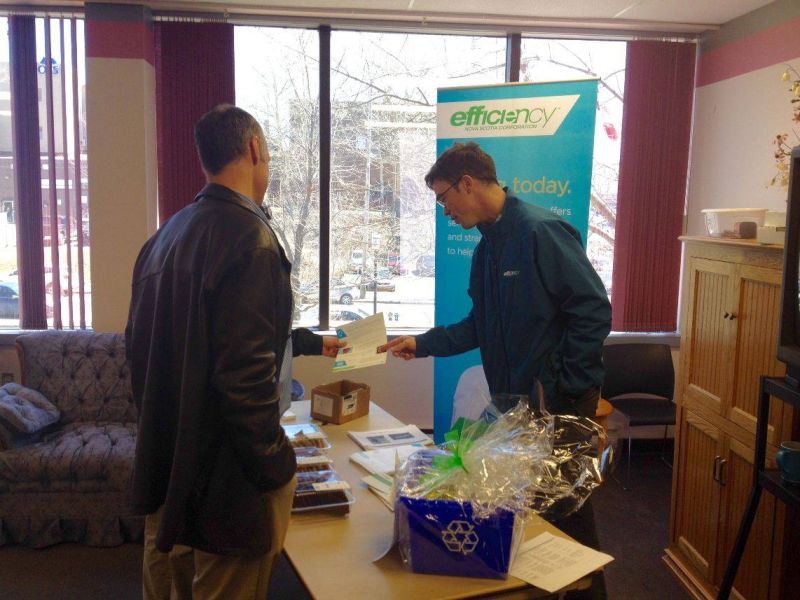
Technical expertise alone was not enough. Progress depended on credibility, persistence, integrity and relationships, particularly when influencing decisions without formal authority. The photograph shows an early staff-outreach table at Sydney City Hall, a simple example of making energy efficiency part of everyday workplace conversations.
Connect energy management to organizational priorities
Effective energy managers connect technical opportunities with the needs of the people responsible for budgets, maintenance, operations and capital planning. That approach helps projects move from recommendations into implementation and makes energy performance a shared responsibility.
Develop people who can lead
During my time leading the team, I learned that supporting energy managers as leaders was as important as helping them solve technical problems. Their ability to communicate, earn trust and work across departments influenced what their client organizations could achieve.
Share what works
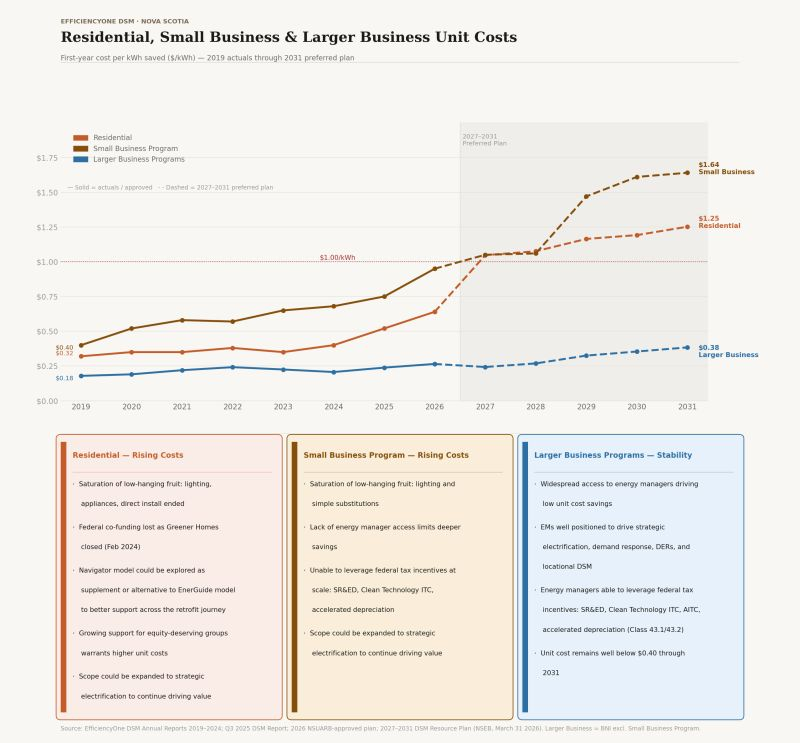
By the time of the original October 2025 reflection, the team was delivering dozens of GWh in annual energy savings across a broad range of sectors. A collaborative network helped energy managers learn from one another and replicate successful approaches across organizations.
As straightforward efficiency opportunities become less plentiful, deeper retrofits, electrification and demand response require more coordination. The enduring lesson is to invest in both technical capability and the relationships that allow that capability to produce results.