Grid planning
Nova Scotia’s offshore wind resource advantage
A strong wind resource is a starting point; delivering useful electricity also requires infrastructure and viable projects.
Informational rewrite based on the topic and available supporting material from David Brushett’s original LinkedIn post. The date shown is the original post date; wording was reviewed in September 2026.
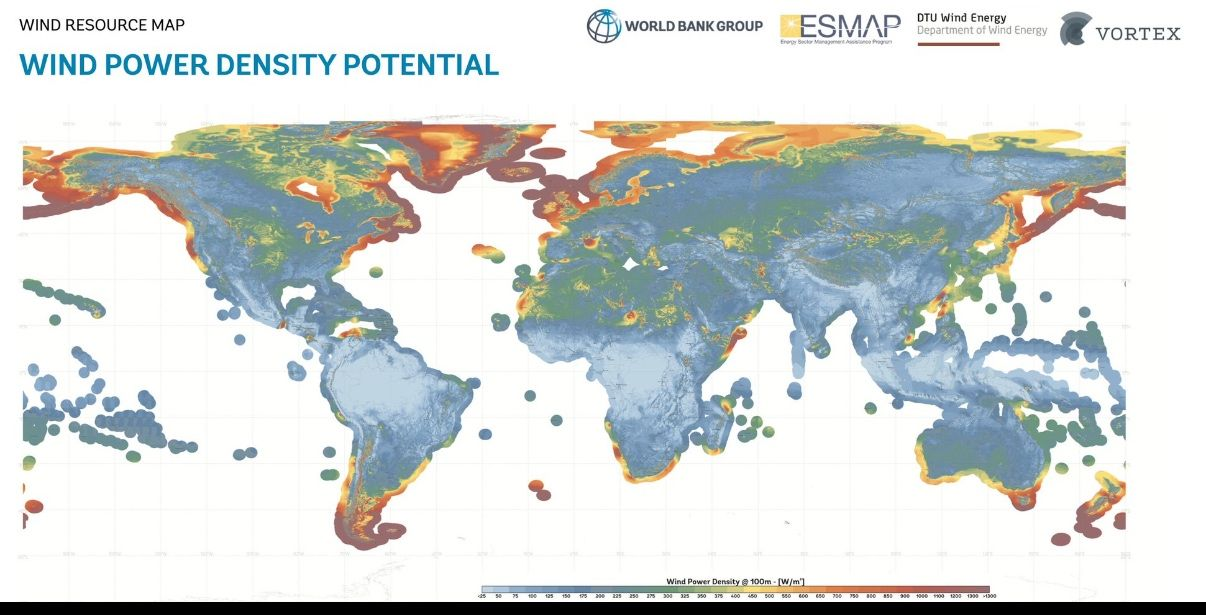
The wind-resource map shared with the original post places Atlantic Canada in a wider geographic context. It helps explain interest in Nova Scotia’s offshore wind potential, while also showing why resource quality and project readiness are different questions.
Move from resource to delivered electricity
Wind conditions are one input to a project. Water depth, seabed conditions, grid connections, port capability, environmental assessment and relationships with ocean users also shape feasibility.
Transmission and customers matter as much as generation potential. A large theoretical resource becomes useful electricity only when projects can connect, operate and sell their output on viable terms.
This historical commentary identifies an opportunity rather than a forecast of installed capacity. The map should not be used to infer a project’s energy yield or an approved development area.