Grid planning
What Ireland’s renewable curtailment can teach Nova Scotia
Ireland’s experience shows why renewable generation needs to grow alongside electricity demand, flexibility and storage.

Originally published on LinkedIn. This article reflects the information and perspective at the time of the original post.
An important lesson from Ireland is highly relevant to Nova Scotia as we prepare to add more than 3 GW of new onshore wind and solar generation by 2035.
In the first half of 2026, Ireland was forced to dispatch down more than 13% of its wind generation, enough clean electricity to power approximately 660,000 homes.
“Dispatch down” occurs when renewable generators such as wind and solar are required to reduce or stop production because transmission lines are congested or there is more renewable electricity available than the grid can use at that moment. In other words, valuable clean energy is wasted.
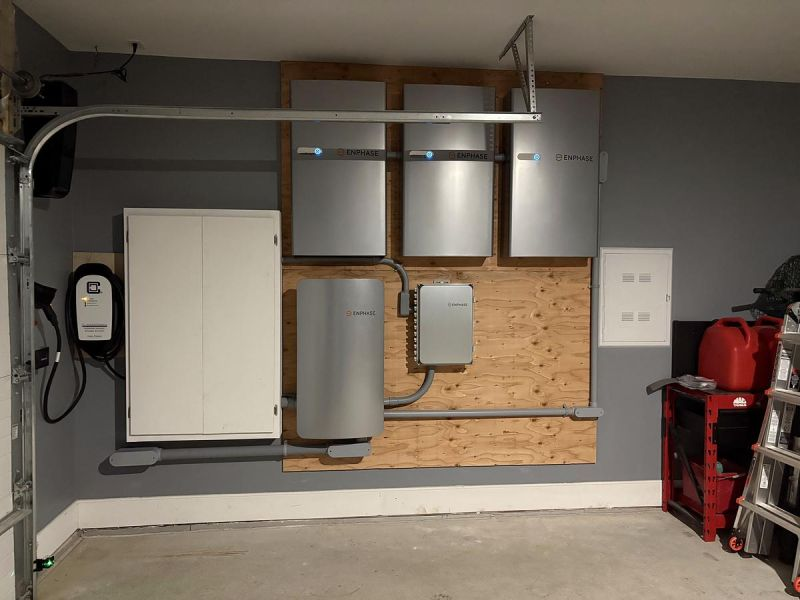
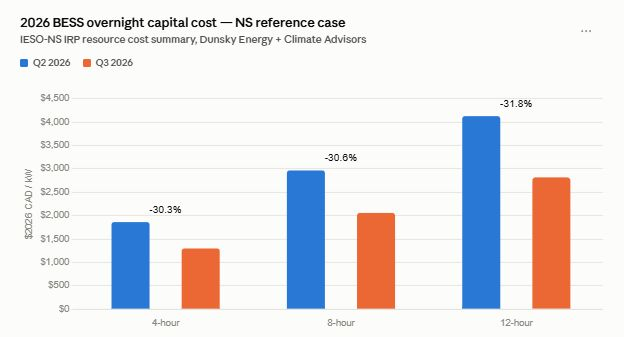
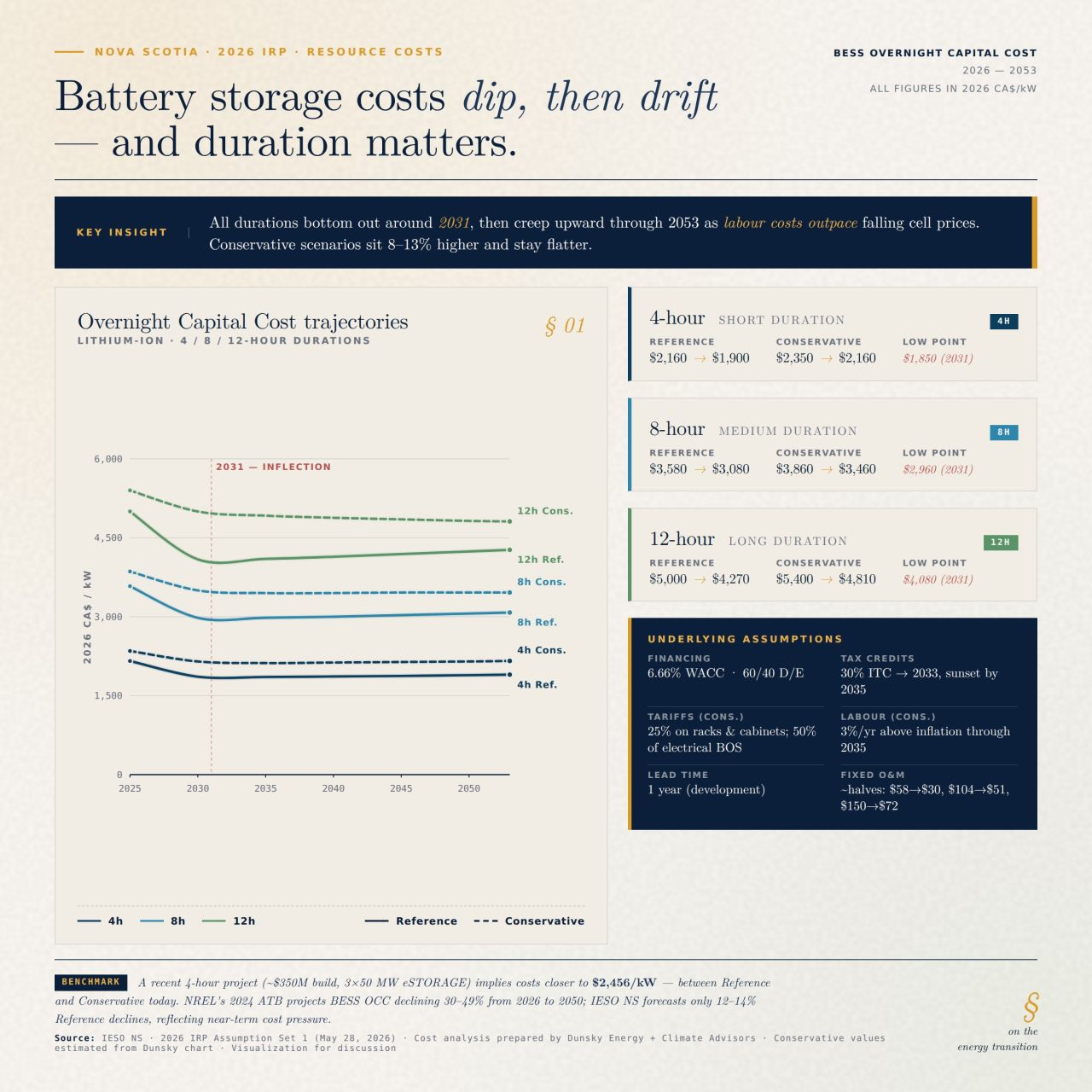
As Nova Scotia rapidly expands renewable generation, a major economic opportunity, we face a similar risk of increasing renewable curtailment unless we also grow electricity demand, flexibility and storage capacity.
Building renewable generation is only part of the challenge. We also need a strategy to ensure we can use as much of that clean energy as possible.