Battery storage
Why the next batteries need to do more than the first
Declining marginal capacity value makes storage duration, customer benefits and multiple uses increasingly important.
Originally published on LinkedIn. This article reflects the information and perspective at the time of the original post.
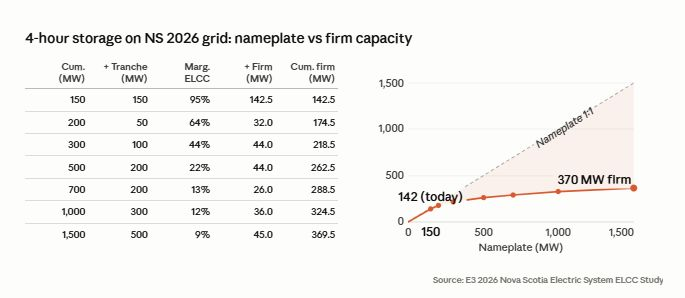
For battery enthusiasts like me, the new 2026 Nova Scotia Electric System ELCC Study by Energy and Environmental Economics, Inc. is a sobering read but not surprising as it has similar findings to the previous ELCC study. The first 150 MW of battery storage on Nova Scotia’s winter-peaking grid delivers 142.5 MW of firm capacity. These are the ones Nova Scotia Power is building out right now. The next 150 MW delivers only 76 MW.
These are the ones that are expected to be procured by IESO Nova Scotia later this year. Every tranche after that adds less.
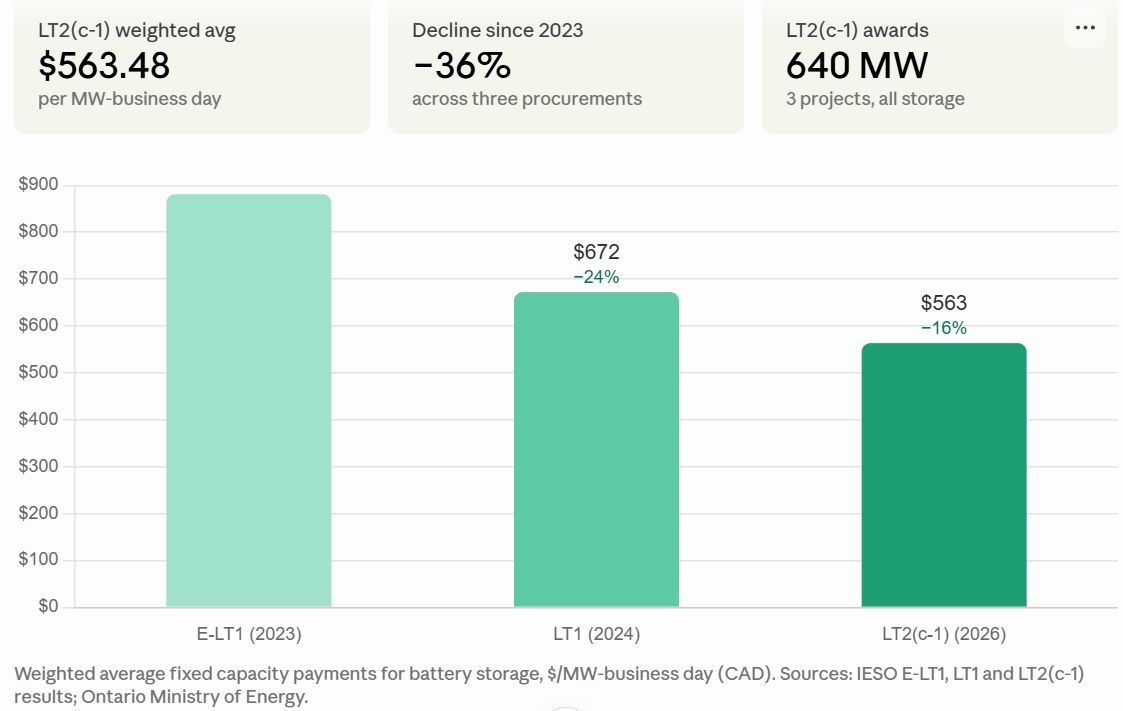
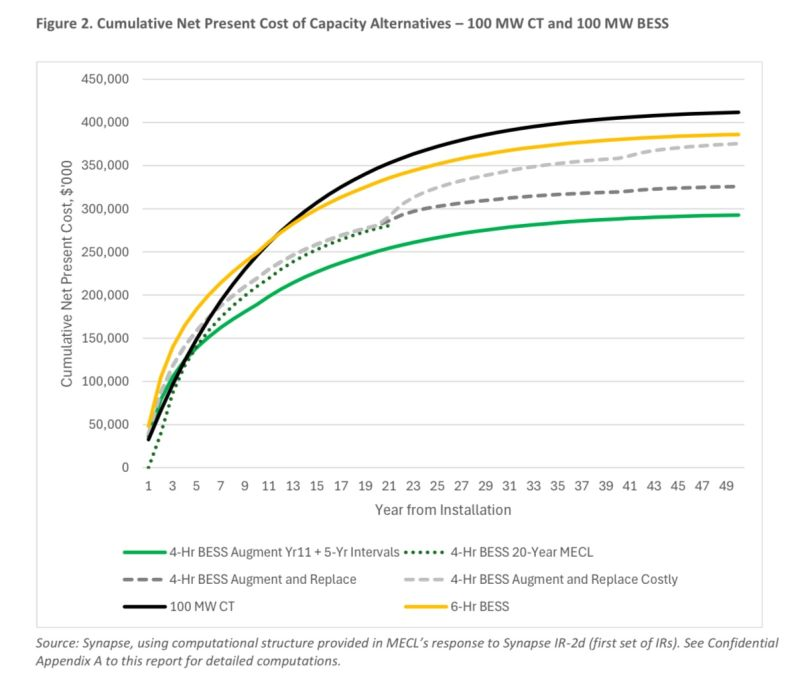
That does not mean batteries are a bad resource. It means the first slice was the easy one. As more batteries are added, they need to cover longer winter reliability events, not just short peak periods. So batteries need to keep getting cheaper, and we need to think beyond utility-scale storage alone.
That is why customer-sited batteries matter. Behind the meter, customers pay for part of the value: backup power, solar self-consumption, bill management, and resilience. The grid can then use those assets for capacity, peak reduction, and local constraint management. That can make customer-sited batteries much cheaper for ratepayers than utility-owned assets, especially where they defer distribution upgrades.
Longer term, vehicle-to-grid could be even bigger. NSP projects roughly 165,000 EVs by 2035. At 60 kWh each, that is nearly 10 GWh of customer-owned battery capacity. The future is not just more batteries. It is smarter batteries, in more places, doing more than one job. https://lnkd.in/eywsVK56 (opens in a new tab)