District energy
The Barriers to a Low Carbon “Young District” District-Energy-System in Halifax
An examination of the Young District’s potential for shared heating and cooling, and the regulatory and commercial barriers to development.
Originally published on LinkedIn. This article reflects the information and perspective at the time of the original post.
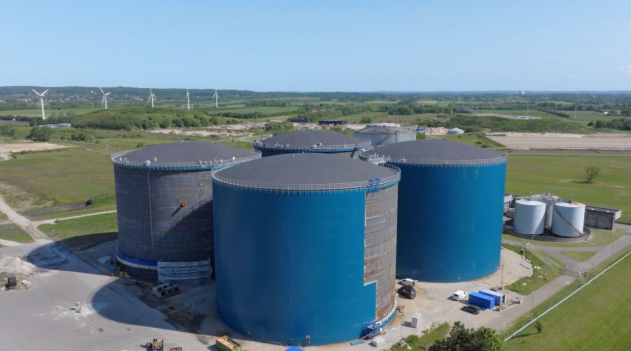
District energy systems distribute heating and cooling to multiple buildings from a centralized location. Rather than each building having its own heating or cooling equipment, a central plant generates the energy and pipes it to nearby buildings.
Nova Scotia has minimal district energy infrastructure compared to European countries like Denmark, where 64% of households are connected to district systems for space and hot water heating. However, several campus-based district energy systems exist in Nova Scotia at institutions such as Dalhousie University , Cape Breton University , and CFB Halifax.
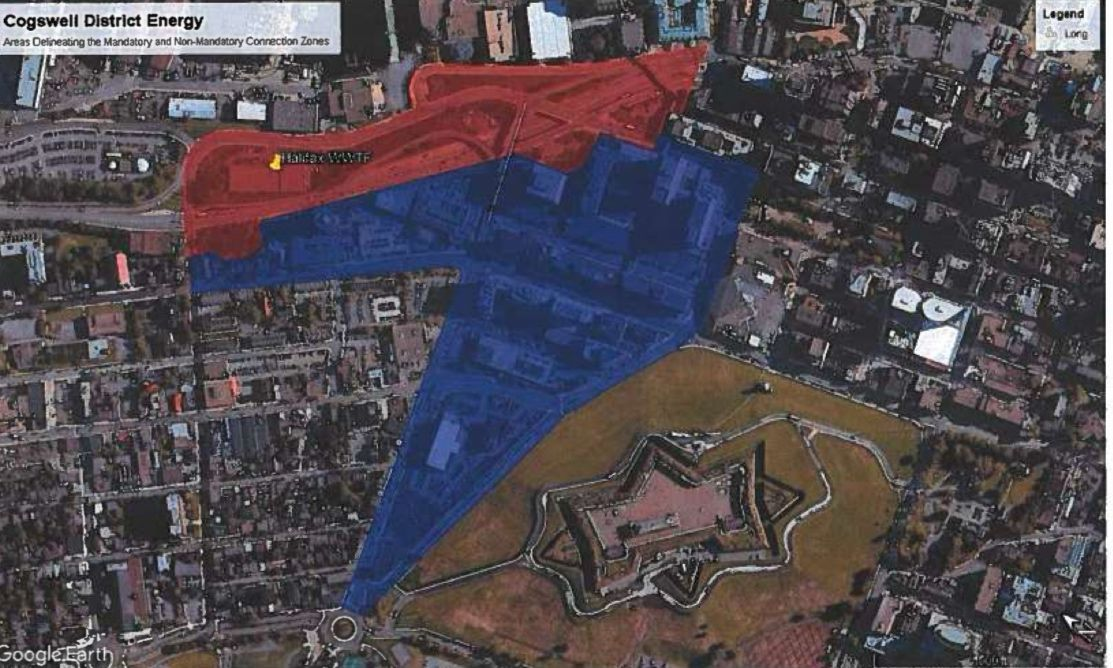
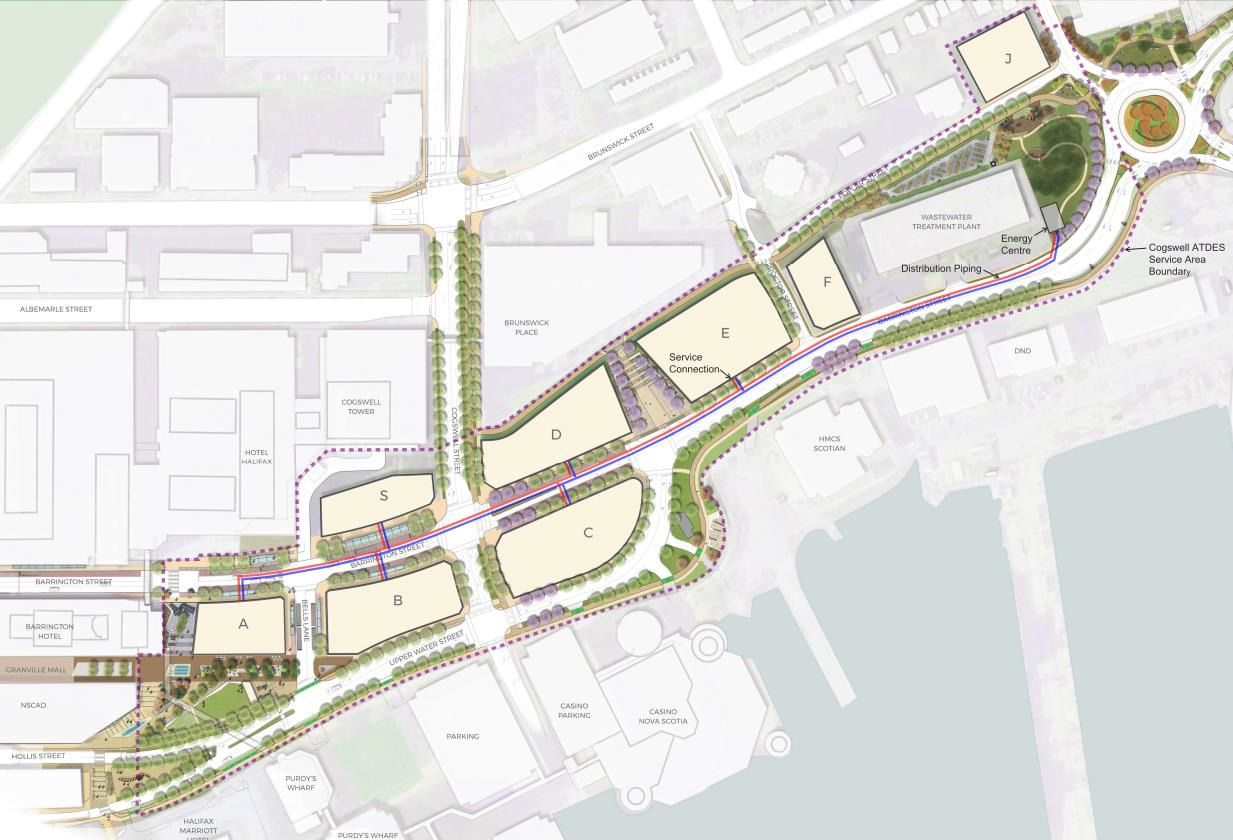
The upcoming Cogswell District Energy System by Halifax Water , which utilizes recovered waste heat from sewage effluent, will be the first major system to service multiple external customers.
The Halifax Centre Plan, a comprehensive strategy for guiding the growth and development of Halifax's urban core, includes a commitment to promote and support the establishment of district energy facilities in high-growth, high-density areas known as Future Growth Nodes (FGNs). One such FGN that has recently garnered significant attention is the Young District.
In this article, I will explore the background of the Young District, highlight the potential benefits of a district energy system in this area, and address the barriers currently hindering its implementation.
What is the Young District?
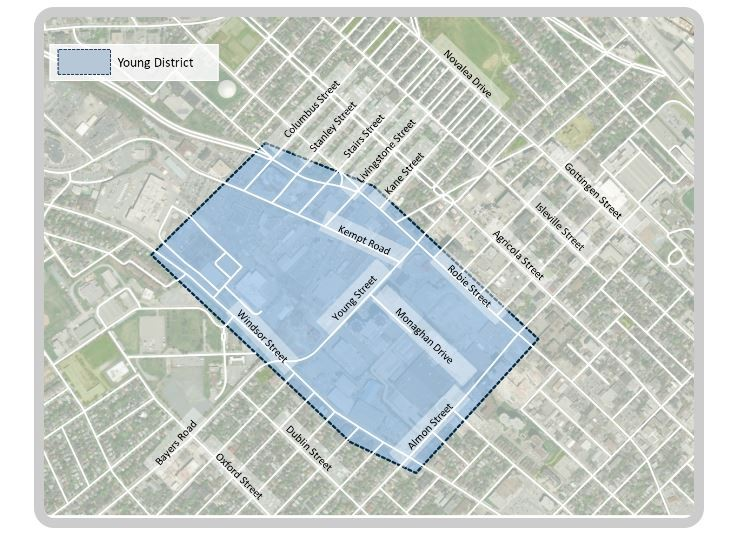
The Young District is 11.8 hectares of underutilized land in Halifax's North End that has seen unprecedented growth in recent years. It has the potential for 11,500 new residential units and millions of square feet of commercial development. The long list of ongoing and upcoming projects includes the Halifax Regional Municipality 's $110 Million Forum Redevelopment.
The development of the district is shaping up to be a key issue in the 2024 HRM mayor race with candidate and outgoing Liberal MP Andy Fillmore calling for the relocation of Canada Post / Postes Canada facility to accommodate housing development and candidate and Councilor Pam Lovelace, M.Ed., encouraging residents to attend the Young District Open House sessions linked above.
The Municipality is developing an Infrastructure Plan for the Young District that will establish framework for the planning, development and construction of transportation, water, wastewater, stormwater, power and communication infrastructure over the next 30 years. District Energy is not currently a part of the conversation, but may warrant consideration.
Benefits of District Energy
District energy systems offer numerous potential benefits, including:
- Reduced Operating Costs for Customers: A primary advantage for customers is lower energy costs. These systems are typically built only if they can offer this benefit. Additionally, customers save on maintenance costs for heating and cooling equipment.
- Reduced Capital Costs for Developers: District energy systems reduce up-front capital expenses for developers by eliminating the need for individual heating and cooling equipment in each building. This also frees up valuable space within buildings for sale or lease.
- Emissions Savings: These systems can deliver low-carbon energy by using efficient equipment and harnessing available waste heat, contributing to significant emissions reductions.
- Reliability: Centralized energy production and distribution are often more reliable and resilient to disruptions compared to individual systems.
- Economic Development: Investing in district energy systems creates jobs, stimulates local economies, and attracts businesses seeking sustainable energy solutions.
"Young District" District Energy System Advantages
The Young District possesses several features that make it an ideal candidate for a district energy system:
- Abundant Waste Heat Sources: Nearby facilities such as Oland's Brewery, the upcoming Forum Ice Pads, and multiple data centers provide ample sources of waste heat.
- Planned New Construction: Integrating district energy into new buildings is generally easier and more cost-effective than retrofitting existing structures.
- High Density: The area's high density reduces the need for extensive and expensive piping infrastructure.
- Diverse Energy Loads: The district's varied energy demands and need for year-round heating and cooling enhance the efficiency and viability of a district energy system.
- Supportive Climate Plan: The district's location within a municipality committed to the HalifACT Climate Plan, which targets community-wide net-zero emissions by 2050, further supports the implementation of district energy solutions.
The Barriers to District Energy
Despite the numerous advantages and the presence of many district energy companies across Canada eager to finance, build, own, and operate a district energy (DE) system in Halifax, significant barriers make such a project unlikely.
- Regulatory Barrier: Unlike Ontario, where the provision of thermal energy is not within the mandate of the Ontario Energy Board, district energy utilities in Nova Scotia are classified as Public Utilities and regulated by the Nova Scotia Utility and Review Board (UARB).
This regulatory requirement imposes an administrative burden that renders the development of a small local DE system unfeasible unless undertaken by an existing utility such as Halifax Water (in the case of Cogswell) or Eastward Energy . Currently, neither of these companies are pursuing new DE projects. Although the UARB allows exceptions for very small systems, a Young District DE system operator would almost certainly be classified as a Public Utility.
The UARB clarified its stance on district energy systems in a 2010 decision (Matter #M02869), responding to HRM's request regarding the proposed Alderney DE Project. Addressing this barrier would require amending the Public Utilities Act to exclude thermal utilities from the definition of Public Utility.
- Economic and Contractual Barriers: District energy companies are unwilling to take on the financial risk of preliminary work without a guarantee of project continuation and development rights. There are insufficient incentives for companies to invest in the early stages of project development if they are not assured of the final development contract. Potential solutions include: Implementing pre-development agreements that guarantee the design company will have a stake in the eventual development.
Creating incentive structures that compensate companies for their initial work if they do not proceed with the development phase. Encouraging public-private partnerships where the risk is shared, and companies have more security in their investments.
By addressing these barriers, Halifax can create a more conducive environment for the development of district energy systems.
The project descriptions and regulatory discussion above reflect the July 2024 article.