District energy
Cogswell district energy: planning at neighbourhood scale
A historical look at the connection area and planning considerations for Halifax Water’s district energy initiative.
Informational rewrite on the topic of David Brushett’s original LinkedIn post, using the available supporting material. The date shown is the original post date.
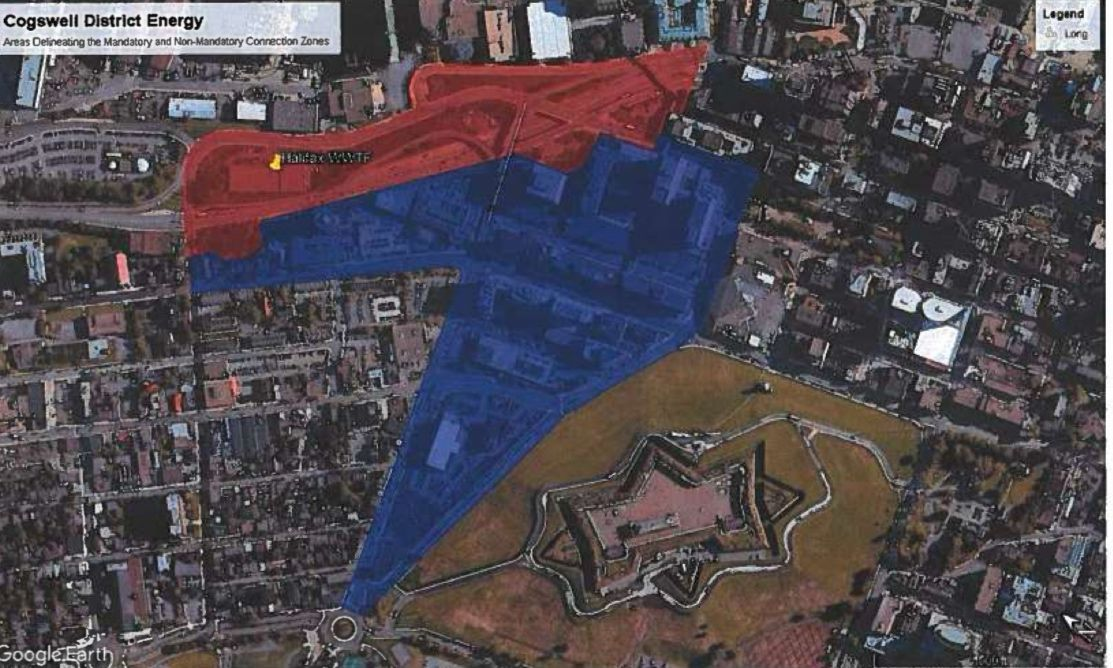
Halifax Water’s Cogswell district energy initiative illustrates how redevelopment can create an opportunity to plan heating and cooling across a neighbourhood. The accompanying map shows the connection areas presented with the original post.
Coordinate buildings and shared infrastructure
District energy depends on the relationship between the energy source, the distribution network and connected buildings. Building temperatures, connection timing and expected demand all influence system design and financial performance.
Planning shared infrastructure alongside streets and new buildings can help coordinate construction. It also makes early communication between the utility, municipality, developers and building designers important.
The map is a historical planning snapshot, not current connection advice. Project boundaries, schedules and requirements should be checked against the latest Halifax Water and municipal documents.
This is an informational account of Halifax Water’s project. The opportunity it illustrates is neighbourhood-scale coordination of thermal infrastructure.