Distributed energy
Courthouse Hill Farm: turning manure into useful energy
A historical farm project illustrates the connection between organic waste, electricity and useful heat.
Informational adaptation of the original LinkedIn post’s topic and available supporting material. The date shown is the original post date; wording reviewed September 2026.
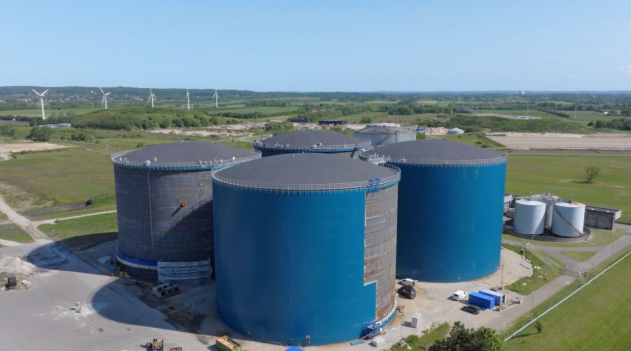
Courthouse Hill Farm in Gore, Nova Scotia was described in the original post as an eighth-generation family dairy and blueberry farm developing an anaerobic digestion and combined heat and power system.
The post anticipated electricity production equivalent to the needs of approximately 400 homes, alongside useful heat that could displace heating oil on the farm. It identified a GE Jenbacher engine as part of the proposed combined heat and power system.
These were expectations reported during development, not verified operating results. The farm and its project team are responsible for the initiative.
The broader opportunity is to recover several forms of value from organic material: electricity, usable heat and nutrients. Project performance depends on feedstock, operating reliability and effective use of those outputs. Claims about fertilizer substitution and emissions require a full assessment rather than assuming every by-product delivers the same benefit.